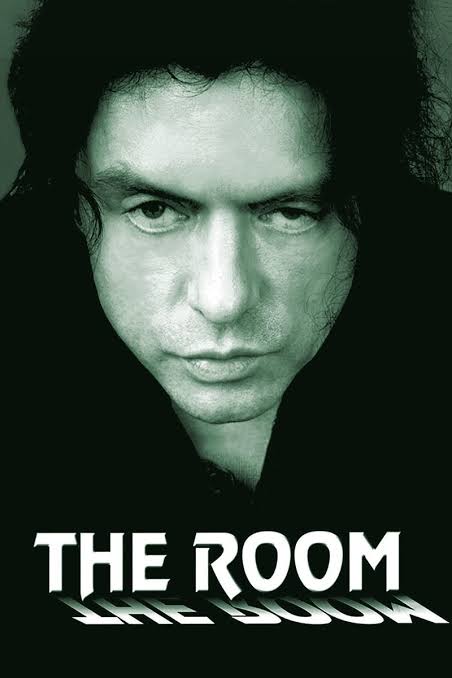
The Room
Overwrought melodrama with jarring tonal shifts between earnest domestic drama, absurdist comedy, and inexplicable supernatural fantasy
Based on a publicly circulated draft of this screenplay sourced online — it may differ from the official shooting script or final film. Shown to demonstrate ProofIntelligence.
When a devoted fiancé discovers his future wife is having an affair with his best friend, his world unravels in a spiral of betrayal, denial, and ultimately self-destruction in their San Francisco apartment.
Executive Summary
The Room screenplay presents a paradox for investment consideration: it is simultaneously one of the most poorly crafted screenplays in professional cinema history and the source material for one of the most commercially successful cult properties ever produced. The core dramatic premise — a devoted man destroyed by the betrayal of his fiancée and best friend — is timeless and commercially proven across cultures. However, the execution suffers from catastrophic dialogue quality, severe structural bloat (30+ pages of filler), tonal incoherence (supernatural elements in a domestic drama), and one-dimensional characterization. For the Indian market, this property has two viable paths: a faithful cult adaptation banking on brand recognition (low budget, niche audience, high per-screen returns through event screenings), or a serious dramatic reimagining that preserves the love-triangle-to-tragedy spine while delivering professional-grade craft (mid budget, mainstream audience, theatrical + OTT). Either path requires significant script development investment before production packaging.
Why this verdict
The Room screenplay has a recognizable dramatic premise — a love triangle ending in tragedy — but the execution is deeply flawed at nearly every craft level. Dialogue is stilted and repetitive, characters lack psychological depth, tonal shifts are jarring (supernatural elements, slapstick comedy, and melodrama coexist without coherence), and the structure meanders through repetitive scenes that don't escalate meaningfully. However, the script's cult notoriety gives it an unusual market position that transcends its craft deficiencies, making it a cultural artifact with proven commercial appeal in the so-bad-it's-good category.
Score Breakdown
Casting
Nicolas Cage
as JOHNNY
Cage's ability to deliver maximalist emotional performances with absolute sincerity makes him the ideal Johnny. His work in films where he commits fully to heightened emotional states mirrors the earnest intensity Johnny requires.
Aubrey Plaza
as LISA
Plaza's ability to play manipulative characters with deadpan charm and underlying menace would bring psychological depth to Lisa. Her range between comedy and darkness suits the tonal shifts the role demands.
Dave Franco
as MARK
Franco has already demonstrated understanding of this material through The Disaster Artist and brings the right combination of boyish charm and moral weakness that Mark requires. His natural screen presence conveys the guilt and conflict central to the role.
Allison Janney
as CLAUDETTE
Janney's ability to deliver sharp, cutting dialogue with comedic timing while maintaining dramatic weight is perfect for Claudette's contradictory nature. Her Oscar-winning work in I, Tonya demonstrates the exact blend of dark humor and maternal dysfunction the role needs.
Bob Odenkirk
as PETER
Odenkirk's ability to play intelligent, morally grounded characters who deliver monologues with conviction makes him ideal for Peter the psychologist. His work as Saul Goodman proves he can handle both the serious advice scenes and the absurdist comedy moments.
Pacing & Rhythm
Overall pace
Slow and repetitive with sporadic bursts of chaotic energy
The pacing curve reveals the script's fundamental structural problem: it repeatedly builds momentum only to deflate it with filler scenes. The pattern is clear — dramatic escalation (seduction, gunpoint scene, confrontation) followed by dead-stop deceleration (football games, chocolate scenes, coffee shop visits). The final 25 pages finally achieve sustained acceleration, building from the tape recording through the party fights to the devastating climax. If the middle section's filler were cut, the overall pacing curve would be dramatically more effective.
SLOW · pp. 7–12
Billy's brief visit and the extended dinner/drinking scene with Johnny repeat information already established.
Fix: Combine Billy's introduction with a later scene. Trim the dinner scene to focus on the key moment: Lisa spiking Johnny's drink and the lie about being hit.
SLOW · pp. 27–32
Bran and Michelle's chocolate scene and the subsequent discovery by Lisa and Claudette add nothing to the main plot.
Fix: Cut the chocolate scene entirely or reduce to a brief comic beat. The underwear gag can be a quick moment rather than an extended sequence.
SLOW · pp. 53–57
The alley scene with Bran's underwear story, football tossing, and Bran's injury is pure filler that stops narrative momentum.
Fix: Cut this scene entirely. The information about Bran's embarrassment was already covered. Use this page space for deeper character development of Johnny or Mark.
SLOW · pp. 69–73
The tuxedo scene and second football game repeat the same dynamic (guys hanging out, playing football, someone gets hurt) without advancing the plot.
Fix: Replace with a scene showing Johnny's internal deterioration or Mark's growing guilt — something that builds toward the climax.
RUSHED · pp. 109–112
Johnny's breakdown, the act with Lisa's clothes, the finding of the gun, and the climactic moment all happen in rapid succession without adequate emotional buildup.
Fix: Expand Johnny's final moments. Give him a soliloquy or flashback montage that earns the emotional weight of his decision. Let the audience sit with his pain before the climax.
Conflict Escalation
The conflict escalation follows a broadly effective trajectory from domestic unease to catastrophic tragedy, but the curve is severely disrupted by tension-deflating filler scenes. Every time the script builds meaningful dramatic pressure (Lisa's seduction of Mark, Johnny's discovery of the affair), it immediately releases that pressure through football games, coffee shop visits, or comic relief scenes. The Jimmy subplot creates a massive tension spike that is resolved through deus ex machina, teaching the audience that stakes don't matter. The final 15 pages deliver the escalation the script has been promising, with genuine momentum from the tape recording through the climax.
Peak moment · page 110
Johnny, alone in the destroyed apartment, finds a gun in a locked box, breaks down crying, and takes his own life — the culmination of every betrayal the story has built toward.
Protagonist Arc
Johnny's internal arc follows a clear tragic descent from contentment to despair, with the supernatural rescue scene creating an anomalous spike that disrupts the otherwise consistent downward trajectory. The arc's major weakness is that Johnny remains essentially passive for too long — he discovers the affair on page 52 but doesn't meaningfully act on it until page 107. This 55-page gap of inaction flattens what should be a dynamic internal struggle. The arc would be stronger if Johnny's internal deterioration were shown through escalating behavioral changes rather than simply told through dialogue. His final descent from page 88 onward is the most effective section, with each beat pushing him deeper into despair.
Scene Audit
31 scenes evaluated — tension, pacing contribution, and whether each earns its place.
| Pg | Scene | Purpose | Tension | Verdict |
|---|---|---|---|---|
| 1 | INT. THE ROOM - APARTMENT JOHNNY · LISA · CLAUDETTE · MARK | Establish Johnny/Lisa relationship, Lisa's dissatisfaction, and her connection to MarkToo long at 7 pages. Split into focused beats. | 25maintains | needs_work |
| 7 | INT. THE ROOM - APARTMENT LISA · BILLY | Introduce Billy and his relationship to JohnnyBilly intro adds little. Merge with later scene. | 10decelerates | cut_candidate |
| 8 | INT. THE ROOM - APARTMENT JOHNNY · LISA | Johnny's promotion denial, Lisa spikes his drink, fabricates abuse storyKey plot beats but overlong. Trim repetition. | 35maintains | essential |
| 12 | INT. THE ROOM - APARTMENT LISA · MARK | Lisa seduces Mark — the central betrayal is consummatedCore inciting incident. Seduction is effective. | 55accelerates | essential |
| 16 | INT. THE ROOM - APARTMENT JOHNNY · LISA · MARK | Lisa calls Mark while Johnny showers, lies about talking to motherRepetitive phone call. Consolidate with Scene 1. | 40maintains | needs_work |
| 22 | EXT. ROOFTOP JOHNNY · MARK | Johnny's iconic denial monologue, ironic conversation about female loyaltyIconic scene. Dramatic irony works well here. | 40maintains | essential |
| 25 | INT. UNDER STAIRCASE LISA · CLAUDETTE | Party planning, breast cancer reveal, Lisa spreads abuse lieBreast cancer dropped too casually. Needs weight. | 30decelerates | needs_work |
| 27 | INT. THE ROOM - APARTMENT BRAN · MICHELLE | Comic relief — chocolate and romanceAdds nothing to main plot. Pure filler scene. | 5decelerates | cut_candidate |
| 28 | INT. THE ROOM - APARTMENT LISA · CLAUDETTE · BRAN · MICHELLE · BILLY | Comic scene with underwear discovery, Claudette's hostility to BillySome character color but too long for payoff. | 15decelerates | needs_work |
| 32 | EXT. ROOFTOP BILLY · JIMMY · MARK · LISA · CLAUDETTE · JOHNNY | Jimmy threatens Billy, Johnny rescues everyone with supernatural powersSupernatural rescue destroys grounded tone entirely. | 70accelerates | needs_work |
| 44 | INT. THE ROOM - APARTMENT LISA · MICHELLE | Lisa confides affair to Michelle, Michelle warns herGood scene — Michelle as moral compass works. | 35maintains | essential |
| 50 | INT. LIVING ROOM / STAIRCASE LISA · CLAUDETTE · JOHNNY | Johnny overhears Lisa's confession, installs tape recorderCritical turning point. Johnny shifts to active. | 60accelerates | essential |
| 52 | EXT. ALLEY JOHNNY · BRAN · BILLY · MARK | Bran tells underwear story, guys play football, Bran gets hurtPure filler. Underwear story already told. | 10decelerates | cut_candidate |
| 58 | INT. THE ROOM - APARTMENT JOHNNY · PETER · MARK · LISA · BILLY | Peter advises Johnny, Mark hints at affair, guys socializeGood Peter/Johnny scene buried in filler talk. | 40maintains | needs_work |
| 66 | EXT. ROOFTOP PETER · MARK | Peter confronts Mark about affair, Mark punches PeterStrong confrontation scene. Real dramatic stakes. | 60accelerates | essential |
| 69 | INT. THE ROOM - APARTMENT JOHNNY · BILLY · PETER · MARK | Post-funeral scene, tuxedo football, animal noisesJimmy funeral adds confusion. Tuxedo scene is filler. | 15decelerates | cut_candidate |
| 72 | EXT. OUTSIDE JOHNNY · MARK · BILLY · PETER | Football game, Peter gets hurtThird football scene. Adds nothing new. | 10decelerates | cut_candidate |
| 73 | INT. THE ROOM - APARTMENT / PHONE JOHNNY · LISA · CLAUDETTE | Johnny listens to tape, Lisa and Claudette discuss affair on phoneBuilds evidence. Phone clicking detail is good. | 50accelerates | essential |
| 76 | INT. COFFEE SHOP JOHNNY · MARK · SUSAN | Johnny and Mark have coffee, discuss relationships obliquelySome subtext but mostly surface conversation. | 30maintains | needs_work |
| 80 | INT. BEDROOM MARK · LISA | Mark and Lisa have sex again before the partyRepetitive affair scene. One would suffice. | 35maintains | needs_work |
| 81 | INT. THE ROOM - APARTMENT LISA · MARK · MICHELLE | Party prep, Lisa and Mark caught by Michelle, Lisa's manipulation deepensGood escalation. Lisa's sociopathy crystallizes. | 40maintains | essential |
| 87 | INT. JOHNNY'S CAR JOHNNY | Johnny listens to damning tape recording of Mark and LisaDevastating moment. Tape content is effective. | 80accelerates | essential |
| 88 | INT. THE ROOM - APARTMENT JOHNNY · LISA · CROWD · BILLY | Birthday party surprise, Johnny arrives angry but masks itTension beneath celebration. Good dramatic irony. | 55accelerates | essential |
| 89 | INT. THE ROOM - APARTMENT LISA · MARK · PETER · JOHNNY · MICHELLE | Lisa and Mark kiss at party, Peter catches themStakes rising. Peter's discovery adds pressure. | 65accelerates | essential |
| 92 | EXT. ROOFTOP JOHNNY · LISA · PETER · MICHELLE · CROWD | Johnny announces fake pregnancy, Peter and Michelle confront LisaFake pregnancy is effective dramatic bomb. | 70accelerates | essential |
| 95 | INT. THE ROOM - APARTMENT JOHNNY · MARK · LISA · PETER · BILLY · BRAN | Mark confronts Lisa about baby, first fight with JohnnyPhysical confrontation delivers on built tension. | 85accelerates | essential |
| 99 | INT. THE ROOM - APARTMENT JOHNNY · MARK · LISA · PETER · MICHELLE | Second fight, Johnny expels Mark, mirror smashing, bathroom lockoutClimactic eruption. 'Everybody betray me' is iconic. | 95accelerates | essential |
| 103 | INT. THE ROOM - APARTMENT LISA · CLAUDETTE · PETER · MICHELLE · BILLY · BRAN | Party aftermath, guests leave, Claudette helps clean upToo many goodbyes. Trim to essential exits. | 50decelerates | needs_work |
| 107 | INT. THE ROOM - APARTMENT JOHNNY · LISA · MARK | Lisa calls Mark, Johnny plays tape, final confrontationDevastating payoff of tape recorder setup. | 95accelerates | essential |
| 109 | INT. THE ROOM - APARTMENT JOHNNY | Johnny destroys apartment, finds gun, takes his own lifeRaw emotional climax. Needs more breathing room. | 100accelerates | essential |
| 110 | INT. THE ROOM - APARTMENT LISA · MARK | Lisa and Mark discover Johnny, Mark rejects LisaStrong moral coda. Mark's rejection is earned. | 80maintains | essential |
Beat Sheet · Save The Cat
The script follows the Save the Cat structure more closely than its chaotic surface suggests — all 15 beats are present and roughly in the expected order. The Catalyst (Lisa's seduction of Mark) and Midpoint (Johnny's discovery) are well-placed. However, the Fun and Games section is filled with tangential subplots rather than exploring the premise's promise, and the Bad Guys Close In section is diluted by filler. The All Is Lost moment (tape in the car) is effective but arrives late. The biggest structural issue is that the Debate and Fun and Games sections are bloated with repetitive scenes that don't serve their beat functions, while the Finale is compressed into too few pages.
| Beat | Expected | Actual | Present | Quality |
|---|---|---|---|---|
Opening Image Golden Gate Bridge at sunrise, pan to apartment where Johnny and Lisa wake up together — an image of domestic normalcy and apparent happiness. | p. 1 | p. 1 | 40 | |
Theme Stated Claudette tells Lisa 'He supports you, he provides for you... He is a good guy and he loves you very much' — establishing the theme that love and loyalty should be valued, not exploited. | p. 5 | p. 4 | 35 | |
Setup Pages 1-12 establish Johnny as devoted provider, Lisa as dissatisfied fiancée, their domestic routine, Johnny's work frustrations, and Lisa's growing restlessness. | p. 10 | p. 1 | 30 | |
Catalyst Lisa seduces Mark, Johnny's best friend, consummating the betrayal that will drive the entire story toward tragedy. | p. 12 | p. 14 | 50 | |
Debate Mark immediately regrets the affair ('Why did you do this to me?') and insists it must remain secret. Lisa pushes to continue. The debate is whether the affair will be a one-time mistake or an ongoing betrayal. | p. 15 | p. 15 | 40 | |
Break Into Two Johnny's rooftop scene where he denies hitting Lisa, followed by his ironic conversation with Mark about female loyalty — Johnny enters Act 2 still in denial while the audience knows the truth. | p. 25 | p. 22 | 35 | |
B Story Multiple B-stories launch: Bran/Michelle's romance, Billy's prostitution/drug dealer subplot, Claudette's breast cancer. These are meant to mirror the main theme of trust and betrayal. | p. 30 | p. 27 | 20 | |
Fun and Games The Jimmy confrontation with supernatural rescue, football games, coffee shop visits, underwear comedy — the script's 'promise of the premise' section, though the premise is domestic drama and these scenes are tangential. | p. 35 | p. 32 | 20 | |
Midpoint Johnny overhears Lisa telling Claudette about the affair and installs a tape recorder — shifting from false victory (believing Lisa is loyal) to awareness of the truth. | p. 55 | p. 52 | 50 | |
Bad Guys Close In Johnny consults Peter, Mark nearly confesses, Peter confronts Mark on the rooftop — the truth is spreading and becoming harder to contain. | p. 65 | p. 58 | 45 | |
All Is Lost Johnny sits in his car listening to the tape recording of Mark and Lisa mocking him — the definitive confirmation that destroys his last hope. | p. 80 | p. 88 | 55 | |
Dark Night of the Soul Johnny arrives at his birthday party knowing the truth but forced to perform happiness — the darkest emotional space before the final act. | p. 85 | p. 88 | 45 | |
Break Into Three After the party, Johnny plays the tape for Lisa, confronting her directly — he finally acts on his knowledge rather than suffering in silence. | p. 90 | p. 107 | 50 | |
Finale Johnny destroys the apartment, finds the gun, and takes his own life — the tragic culmination of the betrayal narrative. | p. 100 | p. 109 | 40 | |
Final Image Mark kneels beside Johnny's body, rejecting Lisa — a mirror of the opening image's domestic intimacy, now replaced by death and moral reckoning. | p. 110 | p. 112 | 50 |
What's Working
Iconic Cultural Impact
Despite its craft deficiencies, this screenplay has generated one of the most successful cult properties in cinema history. Lines like 'I did not hit her' and 'You are tearing me apart, Lisa' have entered the cultural lexicon. The script's earnest sincerity creates an authenticity that audiences respond to, even if not in the way intended.
Clear Dramatic Premise
The core concept — a devoted man destroyed by the betrayal of his fiancée and best friend — is a timeless dramatic engine. The love triangle structure provides inherent conflict, and the trajectory toward tragedy gives the narrative a clear destination. The premise can be pitched in one sentence and understood immediately.
Emotional Sincerity
The screenplay is written with absolute earnestness and emotional commitment. Johnny's pain, however clumsily expressed, comes from a genuine place. The final act — Johnny's breakdown, his desperate search for the gun, his last words — has raw emotional power that transcends the technical shortcomings. This sincerity is what separates The Room from cynical bad-movie cash grabs.
Proven Commercial Model
The Room has grossed tens of millions through midnight screenings, merchandise, and cultural licensing. The Disaster Artist book and film further expanded the brand. This screenplay has a proven, quantifiable market value that most professionally crafted scripts never achieve.
What to Fix
Catastrophic Dialogue Quality
Characters speak in a flat, repetitive, declarative style devoid of subtext, naturalism, or voice distinctness. The same information is restated across multiple scenes. Characters announce their feelings rather than revealing them through behavior. The dialogue reads as a first draft by someone unfamiliar with how people actually speak.
Structural Bloat and Repetition
The script is padded with scenes that don't advance plot, character, or theme — multiple football-tossing sequences, the chocolate scene, the coffee shop visit, the alley conversation about underwear. These scenes repeat the same social dynamics without escalation. The middle section could lose 20+ pages without affecting the story.
Tonal Incoherence
The script lurches between earnest domestic melodrama, slapstick comedy (Bran's underwear, Peter falling during football), supernatural fantasy (Johnny's flying car with vampire powers), and genuine tragedy. These tonal shifts are not managed or intentional — they feel like different scripts colliding. The supernatural scene in particular destroys the grounded reality the drama requires.
Abandoned Subplots
Claudette's breast cancer is introduced as potentially life-threatening, then treated as a minor inconvenience. Billy's prostitution and drug dealer confrontation is resolved through supernatural intervention and never meaningfully addressed again. Jimmy's death (blood sucked out) introduces vampire mythology that goes nowhere. These dangling threads signal a writer who introduces dramatic elements without understanding how to develop or resolve them.
One-Dimensional Characterization
Johnny is purely good, Lisa is purely manipulative, and neither has the complexity that makes characters feel human. Lisa's motivations never deepen beyond 'he's boring.' Johnny's goodness is so extreme (paying everyone's rent, having supernatural powers, being universally loved) that he becomes a wish-fulfillment fantasy rather than a person. Supporting characters exist to deliver exposition or provide comic relief, not to live as independent beings.
Rewrite priorities
Cut scenes 8, 10 (Jimmy subplot), 13 (alley/football), 16-17 (tuxedo/football), and 20 (jogging). This removes ~25 pages of filler and tightens the narrative to its essential dramatic spine.
Issue: Massive structural bloat from repetitive scenes that don't advance the story — football games, coffee visits, chocolate scenes, and repeated conversations covering the same ground
Give Lisa genuine grievances — perhaps Johnny's workaholism has created real emotional neglect, or his idealized view of her denies her actual identity. Show moments where Johnny unknowingly hurts Lisa through his 'goodness' (e.g., making decisions for her, treating her as a possession). Make her affair a misguided search for agency, not pure malice.
Issue: Lisa is a one-dimensional villain with no credible motivation. Her stated reason ('he's boring') never develops into something psychologically real, making the central conflict feel shallow.
Remove all supernatural elements. Replace the Jimmy confrontation with a realistic resolution — perhaps Johnny talks Jimmy down, or calls the police, or pays the debt. This maintains Johnny's heroism while keeping the story grounded.
Issue: The flying car/supernatural scene (pages 34-35) and Jimmy subplot completely break the grounded domestic drama. Johnny deflecting bullets and draining blood is incompatible with the realistic tragedy the script aims for.
Differentiate character voices through vocabulary, rhythm, and speech patterns. Add subtext — let characters talk around their feelings rather than announcing them. For example, Mark's guilt could manifest as overcompensating friendliness toward Johnny rather than direct statements of remorse.
Issue: Characters all speak in the same flat, declarative style. Conversations lack subtext — characters state exactly what they feel without nuance or indirection.
Either cut these subplots entirely or weave them into the main theme of betrayal and trust. Claudette's illness could parallel Johnny's emotional sickness. Billy's vulnerability could mirror Johnny's. Every subplot should reflect or complicate the central question.
Issue: Claudette's breast cancer, Billy's prostitution, and Jimmy's fate are introduced with dramatic weight but abandoned without meaningful resolution or thematic connection to the main story.
Biggest improvement lever
Cutting 30-40% of the script's repetitive filler scenes (football games, coffee shop visits, chocolate scenes, repeated conversations about the same topics) and reinvesting that page space into deepening the three central characters' psychology — giving Lisa credible motivations beyond boredom, giving Johnny genuine flaws that contribute to the relationship's failure, and giving Mark a real internal struggle between desire and loyalty. The dramatic premise is sound; the execution needs radical streamlining and psychological depth.
Emotional Rhythm
The emotional rhythm is erratic rather than deliberately modulated. The script oscillates between genuine dramatic pain and incongruous comic relief without the tonal control needed to make these shifts feel intentional. The emotional range is wide — from tender moments (Johnny and Billy's conversation about love) to devastating lows (Johnny's final scene) — but the transitions between emotional registers are jarring rather than artful. The final 25 pages achieve the most sustained emotional trajectory, building from celebration through confrontation to tragedy. The script's emotional sincerity is its greatest asset, even when the craft fails to support it.
Act Structure
Act One
pp. 1–27We meet Johnny and Lisa, an engaged couple in San Francisco. Lisa confides to her mother Claudette that she no longer loves Johnny, then seduces Johnny's best friend Mark. Lisa fabricates a story that Johnny hit her while drunk, and begins spreading lies about Johnny to multiple people. Claudette reveals she has breast cancer, which is treated with shocking casualness.
Key turning point
Lisa successfully seduces Mark despite his resistance, establishing the central betrayal that will drive the entire story.
Act One is overlong and repetitive. The inciting incident (Lisa's decision to pursue Mark) happens relatively early, but the act then cycles through multiple conversations where Lisa tells different people the same information. The setup of Johnny as a good man is heavy-handed rather than shown through action. The breast cancer subplot is introduced and immediately dismissed, establishing a pattern of raised-then-dropped stakes.
Act Two
pp. 27–66The affair between Lisa and Mark continues as various subplots emerge: Bran and Michelle's chocolate scene, Billy's confrontation with drug dealer Jimmy (featuring Johnny's supernatural rescue in a flying car), Peter's psychological advice sessions, and multiple football-tossing scenes. Lisa continues to manipulate everyone around her while Johnny grows increasingly suspicious, eventually installing a tape recorder on the phone.
Key turning point
Johnny overhears Lisa and Claudette discussing Lisa's infidelity and installs a recording device on the phone, shifting from passive victim to active investigator.
Act Two is the weakest section, bloated with repetitive scenes and bizarre tangents. The Jimmy/gun/flying car sequence is a massive tonal departure that introduces supernatural elements never referenced again. Multiple scenes of football tossing, coffee shop visits, and repeated conversations about the same topics create severe pacing problems. The B-stories (Billy's prostitution, Bran's underwear) are introduced and abandoned without resolution.
Act Three
pp. 66–112Peter confronts Mark about the affair. Johnny's birthday party becomes the crucible where all tensions converge — Johnny announces a fake pregnancy, Mark and Johnny fight physically, and the truth about the affair becomes public. After the party, Johnny listens to the tape recordings confirming the betrayal, confronts Lisa, destroys the apartment, and takes his own life. Mark rejects Lisa over Johnny's body.
Key turning point
Johnny listens to the tape recording of Mark and Lisa's conversation in his car, confirming the betrayal and setting him on the path to self-destruction.
Act Three has the strongest dramatic momentum of the script, with the birthday party serving as an effective pressure cooker. However, the climax is undermined by tonal inconsistencies (Peter's absurd monologue about thermonuclear bombs, the chicken noises in tuxedos). Johnny's final scene has genuine pathos in its intent but is undercut by bizarre staging choices. The ending where Lisa immediately mentions insurance money is effective dark irony, and Mark's rejection provides a moral coda.
Midpoint · page 52
Johnny overhears Lisa telling Claudette she has been unfaithful, and decides to install a tape recorder to gather evidence of the betrayal.
This is an effective midpoint that shifts Johnny from ignorance to knowledge and from passive to active. However, the impact is diluted because the audience has known about the affair since page 15, so there's no dramatic irony payoff — only confirmation of what we already knew. A stronger midpoint would have introduced new information or a genuine reversal.
Character Analysis
Protagonist · arc 45/100
JOHNNY
want
To marry Lisa, maintain his friendships, and be appreciated at work and in life
need
To recognize that his idealized view of relationships and people is dangerously naive, and to develop self-worth independent of others' validation
flaw
Pathological naivety and emotional dependence — he defines his entire identity through others' love and loyalty, making him catastrophically vulnerable to betrayal
Johnny is written as a saint-like figure — generous, loyal, forgiving — but this makes him a flat character rather than a compelling protagonist. His goodness is told rather than shown through meaningful choices. The supernatural car scene further undermines his humanity by making him literally superhuman. His final breakdown has raw emotional power in concept, but the execution (the scene with Lisa's clothes) undercuts the pathos. He needed genuine flaws and complexity to make his tragedy resonate.
Antagonist · threat 75/100
LISA
Lisa is the most active character in the screenplay — she drives nearly every plot development through her choices. However, she's written as a one-dimensional manipulator without credible motivation. Her stated reason for leaving Johnny ('he's boring') never deepens into something psychologically real. She lies about domestic violence, fakes a pregnancy, and immediately thinks of insurance money — each escalation makes her less human and more cartoonishly villainous. A stronger version would give her genuine grievances and internal conflict about her choices.
Supporting cast
12 characters · 4 distinct voicesThe supporting cast is large but largely interchangeable. Most characters speak in the same stilted, declarative style, making voice distinctness very low. Susan the barista has a brief but memorable interaction. Bran provides comic relief but his scenes are disconnected from the main plot. The party guests, neighbors, and other peripheral characters are functional but undifferentiated. The script would benefit from cutting several supporting characters and deepening the remaining ones.
Character Presence
Screen presence by act; total scene count on the right.
Dialogue
Subtext
Voice
Density: Very high — the script is overwhelmingly dialogue-driven with minimal action description
The dialogue is the script's most distinctive element — though not for craft reasons. Characters speak in a flat, declarative style that lacks subtext, naturalism, or psychological nuance. Nearly every character sounds identical, using the same speech patterns and vocabulary. Conversations are repetitive, with characters restating the same information across multiple scenes. However, the dialogue has achieved iconic status precisely because of its oddness — lines have become cultural touchstones. The lack of subtext means characters state their feelings directly ('I love you,' 'I don't love him anymore') without the layered communication that characterizes strong dramatic writing. Mark's evasions when asked about his affair come closest to genuine subtext but are too on-the-nose to qualify.
The script is overwhelmingly dialogue-driven, with characters talking about events and feelings rather than demonstrating them through action. Act 1 is almost entirely conversation — phone calls, dinner talk, and verbal seduction. Act 2 introduces more physical action (the Jimmy confrontation, football games, Mark punching Peter) but these are isolated bursts within dialogue-heavy scenes. Act 3 achieves the best balance as physical confrontations (fights, apartment destruction) finally match the verbal intensity. The script would benefit from converting many dialogue scenes into visual storytelling — showing Johnny's devotion through actions rather than having characters describe it.
Notable lines
“I did not hit her. It's not true! It's bullshit, I did not hit her!”
JOHNNY · page 22
Raw emotional outburst that works as a character moment — Johnny alone, protesting an injustice. Iconic for a reason.
“You don't understand anything. Leave your stupid comments in your pocket.”
MARK · page 91
One of the few lines with genuine attitude and voice distinctness — Mark's frustration crystallized in an unusual metaphor.
“Well, well. If it isn't my son, the homo.”
CLAUDETTE · page 29
Establishes Claudette's blunt, politically incorrect character voice efficiently — she's the most distinctive speaker in the script.
“If a lot of people love each other, the world will be a better place to live.”
JOHNNY · page 42
Earnest and naive in a way that captures Johnny's worldview perfectly — his idealism is both his defining trait and his fatal flaw.
Lines to fix
“Do you know who I am? I have 9 black belts, 15 Master's degrees and a PhD in Agricultural Economics...”
JOHNNY · page 34
This supernatural monologue completely breaks the grounded domestic drama. Either commit to the fantasy genre or remove this entirely.
“Actually it's more like a thermonuclear bomb I'm sitting on, using the primary fission reaction...”
PETER · page 94
Extended technical description of nuclear weapons during an emotional scene destroys dramatic tension. Cut or replace with a simple metaphor.
“Were your clients johns or tricks, Billy!?”
LISA · page 37
Lisa's interrogation of Billy about prostitution terminology feels forced and expository. The scene needs emotional authenticity, not vocabulary lessons.
“Your ass is grass, and I'm the lawnmower!!!”
MARK · page 101
Cliché insult during what should be the most emotionally devastating confrontation in the script. Replace with something that reflects Mark's genuine pain and guilt.
Market & Audience
This screenplay occupies a unique market position — it is simultaneously one of the worst-crafted screenplays ever produced and one of the most commercially successful cult properties in cinema history. As a new IP, it would be nearly impossible to market. As the actual screenplay for The Room, it has proven, extraordinary market value. The script's deficiencies ARE its selling points in the cult market. For an Indian adaptation, the melodramatic style and themes of betrayal would need significant cultural localization, but the core love-triangle-to-tragedy structure is universal.
Audience
Cult cinema enthusiasts, midnight movie audiences, ironic/camp entertainment seekers aged 18-35
Budget band
Low (₹1-5Cr equivalent)
Trend
Cult midnight movies and so-bad-it's-good entertainment have a proven, dedicated audience. The Room itself grossed over $6M in midnight screenings over 15+ years, proving the commercial viability of this specific property.
Platforms
Theatrical (midnight screenings) · OTT/Streaming (cult/curiosity programming) · YouTube/Social Media (clip virality)
The Room's primary audience is young adults (18-25) who engage with it as cult entertainment — midnight screenings, quotable dialogue, meme culture, and communal viewing experiences. Its appeal to this demographic is not based on craft quality but on its status as a cultural phenomenon and shared social experience. OTT/Streaming platforms benefit from curiosity-driven viewership and the film's documentary/meta-narrative appeal (The Disaster Artist). Mass commercial appeal is limited by craft deficiencies, and family audiences are excluded by mature content (sexual situations, suicide). Critics and festival programmers would engage with it only as a cultural studies subject, not as a craft achievement.
Risks · High
- • Craft quality is far below professional standards, making traditional distribution extremely difficult
- • Tonal inconsistency (supernatural elements, slapstick, melodrama) confuses audience expectations
- • Sensitive content (suicide as climax) requires careful handling that the script doesn't provide
- • Multiple abandoned subplots (breast cancer, Billy's prostitution, Jimmy's death) signal incomplete storytelling
- • Dialogue quality would likely alienate mainstream audiences expecting polished entertainment
Mitigations
- • The Room brand has proven cult commercial value — this specific screenplay has a built-in audience
- • Low budget requirement means financial risk is contained
- • Themes of betrayal and heartbreak are universally relatable regardless of execution quality
- • The script's distinctive voice, while not conventionally good, is undeniably memorable and quotable
- • Midnight screening and interactive audience participation models have proven revenue streams
Investment Case
Franchise Potential
sequel possible- The Room universe — other characters' perspectives on the same events (Rashomon-style)
- Prequel exploring Johnny's mysterious past (supernatural powers, arrival in San Francisco with uncashable check)
- The Disaster Artist meta-narrative about the making of the film
- Billy's backstory and recovery arc
- Mark's life after Johnny's death — guilt and redemption
The Room has already proven its franchise potential through The Disaster Artist (book and film), merchandise, midnight screening culture, and its status as a cultural reference point. The screenplay itself contains enough unexplored mythology (Johnny's supernatural abilities, his mysterious past, the uncashed check) to support expanded universe content. However, this franchise potential is entirely dependent on the cult brand — the story itself, taken at face value, is a self-contained tragedy with limited sequel logic.
International Viability
The Room has already demonstrated extraordinary international viability as a cult property, with midnight screenings worldwide. The themes of betrayal and heartbreak are universal, but the specific appeal is tied to the English-language cult cinema ecosystem. An Indian adaptation would need to completely reimagine the cultural context while preserving the earnest melodramatic tone that makes the original compelling. The script's international appeal is paradoxical — it succeeds globally not despite its flaws but because of them.
Strong markets: United States (proven cult market), United Kingdom (strong midnight screening culture), Australia (active cult cinema community), Canada, Western Europe (Germany, France — cult cinema festivals)
Cultural barriers: San Francisco-specific setting and cultural references; English-language dialogue style that is already unconventional; Suicide as climax may face censorship in some markets; The cult appeal is primarily Western/English-speaking; Supernatural elements are culturally unanchored
Investment Readiness
high riskAs a new, unknown screenplay, this would not be investment-ready — the craft deficiencies are too severe for conventional production. However, as The Room screenplay, it has proven commercial value that transcends craft assessment. For an Indian market adaptation, significant script development would be required: removing supernatural elements, deepening character motivations, cutting repetitive scenes, and culturally localizing the setting and dialogue. The core love-triangle-to-tragedy premise is commercially viable if executed with professional craft. Investment risk is high for a faithful adaptation but moderate for a reimagined version that preserves the emotional core while addressing structural and dialogue weaknesses.
Attachment suggestions
- • A director with experience in dark comedy or camp who can navigate the tonal shifts intentionally
- • A lead actor capable of conveying earnest vulnerability without ironic distance for Johnny
- • A script doctor to streamline the structure and deepen character psychology
- • A producer experienced in cult/midnight cinema distribution models
Comparable Films
The Room (2003 film)
This is the source screenplay for the infamous cult film, sharing all its distinctive qualities — stilted dialogue, bizarre subplots, and earnest melodrama.
The Disaster Artist
The meta-narrative about the making of The Room demonstrates the cultural impact this screenplay achieved despite (or because of) its craft deficiencies.
Troll 2
Another cult classic where sincere dramatic intent collides with unconventional execution to create unintentional comedy gold.
Birdemic: Shock and Terror
Shares the pattern of a domestic relationship drama interrupted by inexplicable genre elements (here, Johnny's supernatural car scene mirrors Birdemic's tonal chaos).
Cinema DNA
The directorial sensibilities this script most resembles, weighted by influence.
✦Your Cinema DNA
This IS Tommy Wiseau's screenplay — the singular, unfiltered expression of his dramatic vision, emotional sincerity, and unconventional storytelling instincts that define his auteur identity.
Shares RGV's willingness to push melodrama to extremes, explore betrayal and moral corruption in intimate relationships, and embrace tonal unpredictability — though RGV does so with far greater craft control.
The spiritual kinship with Ed Wood is unmistakable — both filmmakers pour absolute sincerity into technically deficient work, creating art that transcends its craft limitations through sheer earnest commitment to emotional truth.
The verdict, in full
The Room is a melodramatic screenplay about Johnny, a devoted fiancé in San Francisco, whose life unravels when his future wife Lisa begins an affair with his best friend Mark. The script follows Lisa's escalating manipulation — she fabricates domestic abuse allegations, spreads lies to friends and family, and openly pursues Mark while planning Johnny's birthday party. Surrounding this central triangle are numerous subplots involving Lisa's mother Claudette's breast cancer, her brother Billy's involvement with a drug-dealing pimp (resolved through Johnny's inexplicable supernatural powers), and various friends offering advice and comic relief. The story culminates at Johnny's birthday party where the affair becomes public, leading to a physical confrontation between Johnny and Mark. After Lisa leaves him, Johnny discovers tape recordings confirming the betrayal, destroys the apartment, and takes his own life — only for Lisa to immediately mention his insurance payout, prompting Mark's final rejection of her. The screenplay is notable for its earnest emotional sincerity, its deeply unconventional craft choices, and its status as the source material for one of cinema's most celebrated cult films.
Your screenplay deserves this.
Every section you just read — scores, cast, pacing curves, scene-by-scene audit, market read, and a producer-ready verdict — generated for your script in minutes.
Registered with tamper-proof timestamps · Yours alone
Analysis of a publicly available draft of this screenplay sourced online. It may differ from the official shooting script or final film. Shown to demonstrate ProofIntelligence — not an official or licensed screenplay.