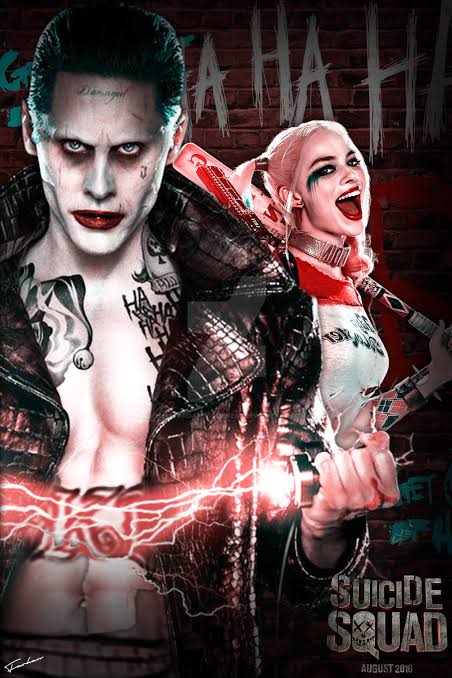
Suicide Squad
Dark, irreverent, kinetic — blending gallows humor with comic-book spectacle and moments of genuine pathos
Based on a publicly circulated draft of this screenplay sourced online — it may differ from the official shooting script or final film. Shown to demonstrate ProofIntelligence.
A ruthless intelligence officer assembles a team of incarcerated supervillains — assassins, pyrokinetics, and a witch-possessed archaeologist — for a black ops mission in a city overrun by an ancient supernatural entity, but the expendable criminals must decide whether to save the world or save themselves.
Executive Summary
Suicide Squad is a high-concept DC Comics tentpole with a commercially proven anti-hero ensemble premise and a breakout female character in HARLEY QUINN who alone could anchor a franchise. The script delivers sharp character work, distinctive voices, and a powerful emotional core (the bar scene is genuinely moving), but requires development attention on its generic supernatural antagonist and a bloated first act that delays the central narrative. The third act needs reimagining to match the character-driven excellence of the middle section — currently it collapses into indistinguishable CGI spectacle. With targeted rewrites to the ENCHANTRESS storyline and tighter structural discipline, this is a ₹800Cr+ global property with multiple franchise expansion paths. The immediate priority is attaching a director who can maintain the irreverent tone while delivering tentpole spectacle, and casting HARLEY and DEADSHOT with stars who can carry both the action and the surprisingly nuanced dramatic moments.
Why this verdict
Suicide Squad is a high-concept ensemble action piece with a strong commercial premise — assembling supervillains as a covert ops team — that delivers kinetic action sequences and sharp character banter. The script's structure is competent but front-loaded with extensive backstory flashbacks that delay momentum, and the third act devolves into a generic CGI-battle climax that undercuts the character work built earlier. The dialogue is frequently punchy and entertaining, particularly between DEADSHOT, HARLEY, and FLAG, but the emotional arcs — especially DEADSHOT's redemption and HARLEY's toxic relationship with JOKER — needed deeper excavation to truly land. This is a producible, commercially viable tentpole screenplay that would benefit from tightening the first act, deepening the antagonist's motivation, and earning the team's bonding moments with more organic development.
Score Breakdown
Casting
Idris Elba
as DEADSHOT
Elba brings the perfect combination of physical authority, quiet menace, and unexpected emotional depth that DEADSHOT requires. His work in Luther and Beasts of No Nation demonstrates the ability to play a dangerous man with a hidden conscience.
Margot Robbie
as HARLEY
Robbie possesses the rare combination of comedic timing, physical athleticism, and dramatic range needed for HARLEY's complex arc from victim to empowered agent. Her ability to shift between manic energy and genuine vulnerability, as shown in I, Tonya, makes her ideal.
Viola Davis
as WALLER
Davis commands every room she enters with an authority that is both intellectual and physically intimidating, exactly what WALLER demands. Her Oscar-winning work demonstrates the cold precision and moral complexity this role requires.
Jake Gyllenhaal
as JOKER
Gyllenhaal's capacity for physical transformation and unsettling intensity, demonstrated in Nightcrawler and Enemy, would bring a fresh, psychologically grounded menace to JOKER. His lean physicality and hypnotic screen presence match the script's MMA-fighter description.
Joel Edgerton
as FLAG
Edgerton's military bearing and everyman quality, showcased in Zero Dark Thirty and The Gift, make him ideal for FLAG's journey from rigid soldier to reluctant ally. He can play both the hard-edged commander and the vulnerable man in love.
Oscar Isaac
as DIABLO
Isaac's ability to convey deep internal torment beneath a controlled exterior, as seen in Ex Machina and A Most Violent Year, perfectly suits DIABLO's arc of a man haunted by the destruction he's caused. His physicality and intensity would make the fire sequences electrifying.
Pacing & Rhythm
Overall pace
moderate
The pacing curve follows a strong action-film rhythm with escalating peaks and necessary valleys for character development. The first act (pages 1-38) has an uneven, start-stop quality due to the flashback structure — each character introduction creates a mini-peak followed by a reset. Once the mission begins (page 40), the pacing becomes more disciplined with clear escalation. The bar scene at page 100 provides a crucial deceleration that makes the final assault feel earned. The script's pacing weakness is the 35-page stretch from page 58-92 where multiple action sequences blur together without sufficient differentiation. The climax maintains high energy but could benefit from more strategic breathing room.
Conflict Escalation
The conflict escalation follows a solid rising pattern with effective peaks and valleys. The script wisely alternates between external action threats (Demon battles) and internal interpersonal conflicts (Squad vs FLAG, DEADSHOT vs WALLER). The tension dips appropriately at the bar scene to create emotional breathing room before the climactic assault. However, the escalation in the first act is uneven due to the flashback structure — tension builds and resets repeatedly rather than accumulating. The peak moment at page 125 is well-earned through the preceding character work.
Peak moment · page 125
DEADSHOT faces ENCHANTRESS' sword swinging at his head and must choose between saving himself or taking the shot that destroys the portal. He chooses to shoot, and the limpet mine explosion severs ENCHANTRESS' power source, saving the world with seconds to spare before nuclear launch.
Protagonist Arc
DEADSHOT's arc follows a classic redemption trajectory with effective peaks and valleys. His lowest point is the arrest in front of ZOE (page 13), and his internal state gradually improves through earned moments of respect and connection. The deliberately missed shot on HARLEY (page 89) is the pivotal internal shift — the moment he discovers he has a conscience. The bar scene provides a necessary regression before the final ascent. His highest point is the selfless shot that destroys the portal (page 125), completing his transformation from mercenary to hero. The arc's weakness is that his return to prison somewhat deflates the triumph, though the ZOE scene provides emotional closure. The arc would be stronger if his final state reflected more permanent change rather than a return to status quo.
Scene Audit
40 scenes evaluated — tension, pacing contribution, and whether each earns its place.
| Pg | Scene | Purpose | Tension | Verdict |
|---|---|---|---|---|
| 1 | INT. LIMESTONE CAVE / SKULL CHAMBER JUNE · ENCHANTRESS | Establish ENCHANTRESS origin and JUNE's possessionAtmospheric setup for supernatural threat; efficient origin | 45maintains | essential |
| 2 | INT. ARKHAM ASYLUM - PRISON WARD JOKER · FROST | Establish JOKER's menace and HARLEY's origin as DR. QUINZELVisceral introduction; electroshock scene is iconic | 55accelerates | essential |
| 3 | INT. BELLE REVE - HARLEY'S CAGE HARLEY · GRIGGS | Introduce HARLEY in prison — establish her danger and defianceEfficiently establishes HARLEY's character and prison dynamic | 40maintains | essential |
| 4 | INT. BELLE REVE - DEADSHOT'S CELL DEADSHOT · GRIGGS | Introduce DEADSHOT — establish his intelligence and menaceStrong character voice; steak monologue is memorable | 35maintains | essential |
| 5 | EXT. COURTHOUSE ALLEY / ROOFTOP DEADSHOT | Demonstrate DEADSHOT's impossible marksmanship via ricochet killBrilliant visual showcase of his unique ability | 50accelerates | essential |
| 6 | INT. DC STEAKHOUSE WALLER · TOLLIVER · ADMIRAL OLSEN | WALLER pitches Task Force X to government officialsExpository but necessary; could be tighter by 2 pages | 40decelerates | needs_work |
| 9 | INT. BELLE REVE - CORRIDOR / GOTHAM NIGHTCLUB HARLEY · GRIGGS · JOKER · MONSTER T | Show HARLEY's degradation in prison; JOKER's psychotic controlMONSTER T scene is masterclass in tension and menace | 55accelerates | essential |
| 11 | EXT. BELLE REVE PRESSURE CHAMBER / EAST LA RESTAURANT DIABLO | Introduce DIABLO's pyrokinetic power and criminal pastEfficient dual introduction — present restraint vs past violence | 45maintains | essential |
| 12 | EXT. GOTHAM CITY SIDEWALK DEADSHOT · ZOE · BATMAN | Establish DEADSHOT's love for ZOE and his arrestEmotional anchor for DEADSHOT's entire arc; ZOE is key | 55accelerates | essential |
| 15 | INT. WHITE HOUSE - SITUATION ROOM WALLER · FLAG · JUNE · CHAIRMAN · TOLLIVER | WALLER demonstrates ENCHANTRESS to secure Task Force X approvalENCHANTRESS transformation is a strong visual beat | 50maintains | essential |
| 18 | INT./EXT. JOKER'S CAR JOKER · HARLEY · BATMAN | Show JOKER/HARLEY dynamic and HARLEY's capture by BatmanFun action but adds another flashback to bloated Act One | 60accelerates | needs_work |
| 21 | EXT. BELLE REVE - VEHICLE GARAGE DEADSHOT · FLAG · WALLER · GRIGGS | DEADSHOT's shooting demonstration — proves his valueTense standoff; establishes DEADSHOT/FLAG rivalry | 55accelerates | essential |
| 24 | INT. GOTHAM PRIVATE NIGHTCLUB JOKER · FROST | JOKER learns HARLEY's location and begins his rescue planNecessary for JOKER subplot but pacing drags here | 40decelerates | needs_work |
| 26 | INT. BELLE REVE - MENTAL HEALTH UNIT FLAG · JUNE · WALLER | Establish FLAG/JUNE romance and WALLER's manipulationCritical for FLAG's motivation; WALLER threat is chilling | 45decelerates | essential |
| 30 | INT. UNDERGROUND CASINO / HOTEL ROOM GRIGGS · JOKER · ENCHANTRESS · FLAG | JOKER recruits GRIGGS; ENCHANTRESS frees INCUBUSTwo critical plot engines activated simultaneously | 60accelerates | essential |
| 34 | INT. MIDWAY CITY SUBWAY PLATFORM INCUBUS | INCUBUS manifests and destroys subway — threat establishedVisceral demonstration of supernatural threat scale | 65accelerates | essential |
| 37 | INT. BELLE REVE - EXIT CORRIDOR / TARMAC HARLEY · DEADSHOT · DIABLO · KILLER CROC · GRIGGS | Nanite injection and transfer to military transportGRIGGS giving HARLEY the phone is key plot setup | 45maintains | essential |
| 39 | EXT. VORDYNE LABS JOKER · FROST | JOKER steals nanite technology to disable HARLEY's bombPanda Man is fun but scene feels disconnected from main plot | 50accelerates | needs_work |
| 40 | EXT. MIDWAY CITY AIRPORT FLAG · GQ · DEADSHOT · HARLEY · SQUAD | Squad assembles, gets briefed, suits up for missionIconic suiting-up sequence; great character banter | 45maintains | essential |
| 43 | EXT. MIDWAY CITY AIRPORT FLAG · SQUAD · BOOMERANG · SLIPKNOT · KATANA | Nanite threat explained; KATANA introduced; mission briefingStakes clearly established; SLIPKNOT arrival is ominous | 50maintains | essential |
| 49 | INT. CHINOOK 2 / EXT. MIDWAY CITY SQUAD · FLAG | Helicopter insertion into Midway City — choppers shot downExcellent action sequence; raises stakes immediately | 65accelerates | essential |
| 52 | EXT. MIDWAY CITY - SIDE STREET BOOMERANG · SLIPKNOT · FLAG | SLIPKNOT's escape attempt and execution — nanites proven realShocking demonstration; BOOMERANG's manipulation is clever | 70accelerates | essential |
| 54 | EXT. MIDWAY CITY - SIDE STREET DEADSHOT · HARLEY · BOOMERANG · DIABLO | Squad plots to kill FLAG; conspiracy spreads through teamInternal conflict drives tension; DIABLO's refusal is key | 55maintains | essential |
| 57 | EXT. MIDWAY CITY - INTERSECTION DEADSHOT · FLAG · SQUAD · SEALS | First Demon encounter — major battle sequenceSpectacular action; each Squad member showcased | 75accelerates | essential |
| 67 | EXT. MIDWAY CITY - RETAIL STREET FLAG · DEADSHOT · HARLEY | FLAG offers DEADSHOT a deal; HARLEY window-shopsCritical character pivot — DEADSHOT/FLAG alliance forms | 40decelerates | essential |
| 69 | EXT. BRIDGE - HARLEY'S FLASHBACK JOKER · HARLEY | HARLEY's origin — DR. QUINZEL's transformation into HARLEY QUINNPowerful origin sequence; chemical vat dive is iconic | 50decelerates | essential |
| 74 | INT. FEDERAL BUILDING - LOBBY/ATRIUM DEADSHOT · FLAG · HARLEY · SQUAD | Enter Federal Building; HARLEY's elevator fightHARLEY's solo elevator fight is a standout set piece | 60accelerates | essential |
| 76 | INT. FEDERAL BUILDING - ATRIUM SQUAD · FLAG · SEALS | Major ambush by Demon SEALS — DIABLO finally unleashes fireBest action sequence; DIABLO's eruption is cathartic | 80accelerates | essential |
| 81 | INT. FEDERAL BUILDING - STAIRWELL DEADSHOT · HARLEY | Intimate moment between DEADSHOT and HARLEY — kiss and vulnerabilityEmotional core scene; 'When was someone nice to you?' devastates | 35decelerates | essential |
| 83 | INT. OPERATIONS CENTER FLAG · WALLER · DEADSHOT | WALLER revealed as HVT; nuclear strike plan disclosedMajor revelation; WALLER executing technicians is shocking | 70accelerates | essential |
| 87 | EXT. FEDERAL BUILDING - ROOFTOP JOKER · HARLEY · FROST · FLAG · DEADSHOT · WALLER | JOKER's helicopter rescue of HARLEY; DEADSHOT misses on purposeExciting but JOKER's arrival strains credibility | 75accelerates | needs_work |
| 92 | EXT. MIDWAY CITY - ROOFTOP / LOW BUILDING HARLEY · DEADSHOT | JOKER's helicopter destroyed; HARLEY's grief; nanite crisisHARLEY's anguish is genuine; DEADSHOT's prayer is moving | 65maintains | essential |
| 96 | EXT. MIDWAY CITY - BLACKHAWK CRASH SITE DEADSHOT · FLAG · SQUAD | DEADSHOT discovers truth about mission; confronts FLAGCritical trust-breaking moment; FLAG's confession is earned | 72accelerates | essential |
| 100 | INT. MIDWAY CITY - GOLDEN TREE BAR DEADSHOT · HARLEY · DIABLO · BOOMERANG · KILLER CROC · FLAG | Emotional low point — team fractures, DIABLO confesses, FLAG appealsScript's best scene — intimate, raw, emotionally devastating | 45decelerates | essential |
| 105 | EXT. MIDWAY CITY - NEON STREET SQUAD · FLAG · SEALS | Squad voluntarily returns — march to final battleEarned heroic moment; team formation is cathartic | 60accelerates | essential |
| 109 | INT. MIDWAY CITY - FLOODED SUBWAY TUNNEL GQ · KILLER CROC · SEALS | Underwater Demon fight; GQ's sacrifice missionBrutal underwater combat; CROC/GQ bond is touching | 75accelerates | essential |
| 113 | INT. MIDWAY CITY - RAIL STATION SQUAD · INCUBUS · ENCHANTRESS | Subway explosion; INCUBUS returns; final battle beginsHigh stakes but INCUBUS fight becomes repetitive | 85accelerates | essential |
| 117 | INT. MIDWAY CITY - RAIL STATION ENCHANTRESS · SQUAD | ENCHANTRESS' temptation illusions — each character's fantasyGood concept but fantasies are too brief to land emotionally | 70decelerates | needs_work |
| 122 | INT. MIDWAY CITY - RAIL STATION HARLEY · JOKER · DEADSHOT · FLAG · ENCHANTRESS | HARLEY's betrayal of JOKER; rips out ENCHANTRESS' heartScript's best twist; HARLEY's agency is thrilling | 90accelerates | essential |
| 126 | INT. MIDWAY CITY - RAIL STATION / WHITE HOUSE FLAG · JUNE · SQUAD · WALLER · ADMIRAL OLSEN | ENCHANTRESS defeated; JUNE freed; nuclear strike aborted; denouementSatisfying resolution; team bonding moment is earned | 50decelerates | essential |
Beat Sheet · Save The Cat
The script follows the Save the Cat structure with reasonable fidelity but with significant timing issues. The Setup is overextended (pages 1-38 vs the expected 1-10), pushing every subsequent beat later than ideal. The Catalyst arrives at page 31 instead of page 12, meaning the story engine takes too long to engage. However, the Dark Night of the Soul (bar scene) is the script's strongest beat — beautifully executed at exactly the right emotional moment. The Break Into Three is also excellent, with the Squad's voluntary return feeling genuinely earned. The Finale suffers from generic spectacle that doesn't match the character-driven quality of the preceding beats. The Final Image is problematic — JOKER's breakout undermines HARLEY's arc rather than completing it.
| Beat | Expected | Actual | Present | Quality |
|---|---|---|---|---|
Opening Image JUNE discovers the ENCHANTRESS in the skull cave — the supernatural world that will drive the entire plot is introduced through an innocent archaeologist's fatal curiosity | p. 1 | p. 1 | 70 | |
Theme Stated WALLER states 'Getting people to act against their own self interest for the national security of the United States is what I do for a living' — the theme of coercion vs choice, and whether bad people can do good, is established | p. 5 | p. 9 | 72 | |
Setup Extended setup introduces each Squad member in their prison cells and through flashbacks — HARLEY, DEADSHOT, DIABLO, KILLER CROC, plus WALLER's political maneuvering to create Task Force X | p. 10 | p. 3 | 65 | |
Catalyst ENCHANTRESS frees INCUBUS from the male jar, creating the supernatural threat that necessitates deploying the Squad — the event that forces WALLER's hand | p. 12 | p. 31 | 68 | |
Debate The Squad is extracted from Belle Reve, injected with nanites, and transported — they debate whether to cooperate, with FLAG and WALLER establishing the terms of compliance | p. 15 | p. 34 | 65 | |
Break Into Two The Squad suits up at Midway City Airport, receives their mission briefing, and boards the Chinooks — they cross the threshold from prisoners to operatives | p. 25 | p. 42 | 72 | |
B Story FLAG and JUNE's love story — established in the Mental Health Unit scene where they kiss and discuss ENCHANTRESS, and JUNE makes FLAG promise to stop the witch even at the cost of her life | p. 30 | p. 26 | 60 | |
Fun and Games The Squad fights Demons through Midway City streets, each member showcasing their abilities — DEADSHOT's marksmanship, HARLEY's acrobatics, CROC's strength, BOOMERANG's blades, culminating in the Federal Building ambush | p. 37 | p. 50 | 78 | |
Midpoint After the first Demon battle, KOWALSKI offers DEADSHOT respect — the Squad earns legitimacy and the dynamic shifts from coercion to cooperation. False victory as they believe the mission is straightforward | p. 55 | p. 62 | 68 | |
Bad Guys Close In Federal Building ambush by Demon SEALS; Second Squad wiped out; WALLER revealed as HVT; nuclear strike disclosed; HARLEY escapes then JOKER's helicopter destroyed; truth about ENCHANTRESS exposed | p. 65 | p. 76 | 75 | |
All Is Lost DEADSHOT discovers the Task Force X file revealing they were sent to fight a witch, not terrorists — the entire mission was built on lies. WALLER's helicopter is shot down. Everything has gone wrong. | p. 75 | p. 96 | 72 | |
Dark Night of the Soul The Golden Tree Bar scene — the Squad drinks and confronts their failures, DIABLO confesses to killing his family, HARLEY delivers 'Normal's a setting on a dryer,' FLAG destroys the detonator and tells them to run | p. 80 | p. 100 | 88 | |
Break Into Three The Squad voluntarily returns to fight — walking toward the Rail Station in formation, choosing heroism over self-preservation for the first time in their lives | p. 85 | p. 105 | 82 | |
Finale Multi-pronged assault on Rail Station — GQ's underwater sacrifice, DIABLO's full power unleashed, HARLEY's betrayal of JOKER, DEADSHOT's impossible shot destroying the portal, FLAG crushing the heart to free JUNE | p. 90 | p. 108 | 70 | |
Final Image The Squad returned to Belle Reve with improved conditions — DIABLO meditates peacefully, DEADSHOT teaches ZOE math, HARLEY reads Cosmo — then JOKER breaks HARLEY out, suggesting the cycle continues | p. 110 | p. 129 | 62 |
What's Working
Razor-Sharp Character Voices
Each member of the Squad speaks with a distinct, memorable voice — DEADSHOT's cool professionalism, HARLEY's manic wit, BOOMERANG's Aussie irreverence, DIABLO's weary wisdom. The banter between characters is consistently entertaining and reveals character through conflict rather than exposition.
WALLER as Human Antagonist
AMANDA WALLER is the script's secret weapon — a human villain more terrifying than the supernatural threat. Her cold execution of her own staff, manipulation of FLAG through JUNE, and unflinching pragmatism create a character who generates tension in every scene she occupies. She's the best-written character in the screenplay.
The Bar Scene — Emotional Core
The Golden Tree Bar sequence is masterful screenwriting — DIABLO's confession, the debate about hope and identity, FLAG's speech about duty, and the destruction of the detonator. It's the emotional heart that earns the third act's heroism. This scene alone justifies the ensemble approach.
Massive Commercial IP Potential
Built on globally recognized DC Comics characters with HARLEY QUINN as a breakout merchandising and spin-off opportunity. The anti-hero ensemble concept differentiates from the saturated hero market. Multiple franchise expansion paths are available.
Action Set Piece Variety
The script delivers diverse, well-choreographed action — from DEADSHOT's ricochet assassination to the underwater SEAL fight to the Federal Building ambush. Each Squad member gets showcase moments that highlight their unique abilities, keeping the action fresh across a long runtime.
What to Fix
Generic Supernatural Antagonist
ENCHANTRESS begins as a compelling possession horror concept but devolves into a standard 'beam in the sky' world-ending villain with vague motivations. Her plan lacks specificity, her dialogue becomes generic, and the INCUBUS is a faceless CGI threat. The script's human villains (WALLER, JOKER) are far more interesting than its supernatural ones.
Bloated First Act with Flashback Overload
The first 38 pages are consumed by individual character introductions and flashbacks that, while individually entertaining, collectively delay the narrative engine. The script essentially has six separate origin stories crammed into Act One, creating a start-stop rhythm that undermines momentum. Several could be trimmed or integrated into the mission itself.
JOKER Integration Problems
JOKER's subplot — corrupting GRIGGS, raiding Vordyne Labs, hijacking the helicopter — runs parallel to the main narrative without organic connection. His third-act appearance with WALLER's detonator strains credibility. The script can't decide if he's a romantic interest, a secondary antagonist, or a deus ex machina, and he ends up being an awkward combination of all three.
Ending Undermines Character Arcs
HARLEY's liberation from JOKER — the script's most powerful character moment — is immediately undercut by JOKER breaking her out of prison in the final scene. This returns her to the toxic dynamic the entire film worked to free her from, prioritizing sequel setup over thematic integrity.
Superhero Fatigue Risk
Despite its anti-hero angle, the third act collapses into the same CGI-heavy, portal-closing, world-ending climax that audiences have seen in numerous superhero films. The script's greatest strength is its character work, but the finale abandons that for spectacle indistinguishable from its competitors.
Rewrite priorities
Give ENCHANTRESS a personal, comprehensible goal that creates moral complexity — perhaps she genuinely believes she's liberating humanity from modern corruption, or her plan specifically targets the military-industrial complex that imprisoned her. Make her endgame something the Squad must intellectually counter, not just physically defeat.
Issue: ENCHANTRESS lacks specific motivation and devolves into generic world-ending villain with vague 'Father' plan
Consolidate introductions — open with the Squad already assembled or being extracted, then weave flashbacks into the mission as triggered memories. Cut SLIPKNOT's introduction entirely (he exists only to die). Reduce KILLER CROC and BOOMERANG intros to single-scene sketches.
Issue: Act One is bloated with six separate flashback-heavy character introductions that delay the central narrative by 38 pages
Either commit to HARLEY's independence by ending with her choosing to stay in Belle Reve on her own terms, or rewrite the breakout so HARLEY is clearly in control — she breaks herself out, and JOKER arrives to find she's already gone. Her agency must be preserved.
Issue: HARLEY's liberation from JOKER is undermined by the final scene where he breaks her out, returning her to the toxic relationship
Either reduce JOKER to flashbacks only (saving him for a sequel) or integrate his scheme more tightly — perhaps he's independently hunting ENCHANTRESS for his own reasons, creating a three-way conflict. His appearance should feel inevitable, not convenient.
Issue: JOKER's subplot runs parallel to the main narrative without organic connection — his helicopter rescue and third-act appearance feel contrived
Scale down the final battle to leverage character dynamics — make defeating ENCHANTRESS require each Squad member to sacrifice something personal (not just physical combat). The bar scene proves intimate drama is this script's strength; the climax should be an extension of that, not a departure from it.
Issue: Climax devolves into generic superhero portal-closing spectacle that abandons the script's character-driven strengths
Biggest improvement lever
Completely reimagine the ENCHANTRESS/INCUBUS antagonist storyline. The script's greatest asset is its character work and ensemble dynamics, but the supernatural threat they face is its weakest element. Give ENCHANTRESS a specific, comprehensible motivation beyond generic world destruction. Make her plan personal — perhaps she wants to permanently separate from JUNE, or she wants to reclaim something specific that was stolen from her civilization. A villain whose goals the audience can understand (even if they disagree) would elevate the entire third act from generic spectacle to a dramatically satisfying confrontation. The bar scene proves this script excels at intimate character drama — the climax should leverage that strength rather than abandon it for CGI.
Emotional Rhythm
The emotional rhythm demonstrates impressive range for an action-heavy screenplay. The script effectively alternates between dark humor and genuine pathos — the DEADSHOT/ZOE scenes, DIABLO's confession, and HARLEY's stairwell moment provide emotional depth between action set pieces. The lowest emotional point (DIABLO's family revelation at page 103) is perfectly placed just before the team's decision to return, making their heroism feel earned. The script's emotional weakness is that the supernatural climax generates less feeling than the intimate character moments — the bar scene is more emotionally powerful than the final battle. The ending achieves a bittersweet tone that suits the material.
Act Structure
Act One
pp. 1–38The script introduces the ensemble of incarcerated supervillains through individual vignettes and flashbacks — DEADSHOT the hitman, HARLEY the psychotic gymnast, DIABLO the pyrokinetic, KILLER CROC, and BOOMERANG — while WALLER pitches her Task Force X concept to government officials. ENCHANTRESS is revealed as both asset and threat. The villains are extracted from Belle Reve, injected with nanite explosives, and loaded onto a military transport.
Key turning point
ENCHANTRESS frees her brother INCUBUS from the male jar, setting the supernatural threat in motion and betraying WALLER's control
Act One is overlong at roughly 38 pages, spending considerable time on individual backstory flashbacks that, while entertaining, delay the central narrative engine. The Waller dinner scene and White House pitch are effective at establishing stakes, but the script takes too long to get the team assembled and into the field. The ENCHANTRESS subplot — freeing INCUBUS — is the true catalyst but feels somewhat disconnected from the villain introductions.
Act Two
pp. 39–105The Squad deploys into Midway City, fights waves of Demons, navigates internal power struggles and escape plots, and discovers the true nature of their mission — rescuing WALLER, not fighting terrorists. SLIPKNOT is killed as a demonstration. DEADSHOT and FLAG develop grudging respect. HARLEY is briefly rescued by JOKER before his helicopter is shot down. The Squad learns the full truth about ENCHANTRESS and the nuclear countdown, leading to a crisis of faith at the Golden Tree Bar.
Key turning point
DEADSHOT discovers the Task Force X binder revealing FLAG and WALLER knew exactly what they were walking into, forcing FLAG to reveal the truth about ENCHANTRESS and the real mission
Act Two is the strongest section, with escalating action set pieces punctuated by character-building moments. The Demon fights are well-staged with each Squad member getting showcase moments. The internal conspiracy to kill FLAG creates genuine tension. The bar scene is the emotional heart of the script — DIABLO's confession, FLAG's speech about duty, and the destruction of the detonator are powerful beats. However, the act is overstuffed and some action sequences blur together.
Act Three
pp. 105–129The Squad voluntarily returns to fight ENCHANTRESS at the Rail Station. GQ sacrifices himself to detonate the subway charge, destroying INCUBUS. The team battles ENCHANTRESS directly — HARLEY deceives both JOKER and ENCHANTRESS to rip out the witch's heart, DIABLO unleashes his full power, and DEADSHOT makes the critical shot to destroy the portal. FLAG crushes the heart, freeing JUNE. The villains are returned to Belle Reve with improved conditions, and JOKER breaks HARLEY out.
Key turning point
HARLEY's betrayal of JOKER — snatching the detonator and slashing ENCHANTRESS' chest to rip out her heart — the moment she chooses her new family over her toxic lover
Act Three delivers spectacle but suffers from a generic 'beam in the sky' climax common to superhero films. The JOKER's sudden appearance feels contrived. However, HARLEY's pivotal choice is genuinely surprising and emotionally resonant. DEADSHOT's heroic shot and FLAG's acceptance of the Squad are earned moments. The denouement efficiently wraps character arcs with the Belle Reve return, though the JOKER breakout ending undercuts HARLEY's growth.
Midpoint · page 62
The first major Demon battle concludes with the Squad proving themselves in combat, KOWALSKI offering DEADSHOT respect, and the team beginning to coalesce — shifting from prisoners to combatants
The midpoint effectively shifts the dynamic from 'will they cooperate' to 'can they survive together.' The Demons raise the supernatural stakes beyond what was briefed, and DEADSHOT's battlefield prowess earns him respect from the military professionals. This is where the found-family theme begins to crystallize, though the shift could be more sharply defined with a single iconic moment rather than the gradual post-battle cooldown.
Character Analysis
Protagonist · arc 78/100
DEADSHOT
want
Freedom and custody of his daughter ZOE
need
To find something worth fighting for beyond money — to discover he has a conscience and is capable of selfless action
flaw
Emotional detachment masked as professionalism; defines himself purely as a killer-for-hire to avoid confronting his humanity
DEADSHOT is the most complete character arc in the script. His journey from cold professional to reluctant hero is tracked through specific beats — the missed shot on HARLEY, the deal with FLAG, the prayer on the rooftop, and the final heroic shot. His relationship with ZOE provides genuine emotional stakes. However, his transformation could feel more internally driven rather than circumstantially forced.
Antagonist · threat 85/100
WALLER
WALLER is arguably the script's most effective character — a human antagonist more frightening than the supernatural threat. Her cold execution of her own technicians, her manipulation of FLAG through JUNE, and her willingness to nuke an American city make her genuinely terrifying. She functions as both the team's handler and their true enemy, creating a compelling tension. The script wisely never softens her.
Supporting cast
18 characters · 12 distinct voicesThe supporting cast is large but generally well-differentiated. GRIGGS provides effective comic villainy as the petty prison tyrant. GQ's sacrifice carries weight because his competence and decency are established. BOOMERANG is consistently entertaining as the self-serving opportunist. FROST has a memorable dry wit. KATANA is visually striking but underwritten — she needs more dialogue and interiority. SLIPKNOT is transparently expendable, existing only to demonstrate the nanite threat. ZOE's scenes with DEADSHOT are the script's most emotionally grounded moments.
Character Presence
Screen presence by act; total scene count on the right.
Dialogue
Subtext
Voice
Density: High — dialogue-heavy script with extensive banter, monologues, and character-establishing exchanges between action sequences
The dialogue is the script's strongest craft element. Each major character has a distinct voice — DEADSHOT's streetwise cool, HARLEY's manic wit, FLAG's military terseness, WALLER's ice-cold authority, DIABLO's weary wisdom, BOOMERANG's irreverent Aussie bluster. The banter between characters is frequently sharp and entertaining. Where the dialogue falters is in the more expository passages — WALLER's pitches to government officials can feel like info-dumps, and ENCHANTRESS' villain speeches are generic. The subtext level is moderate; the best exchanges (DEADSHOT and HARLEY in the stairwell, the bar scene) operate on multiple levels, but many scenes are fairly on-the-nose about character motivations.
The dialogue-to-action balance shifts appropriately across acts. Act One is dialogue-heavy with character introductions, backstory exposition, and WALLER's political maneuvering. Act Two achieves the best balance, alternating between action set pieces and character-building conversations. Act Three tilts heavily toward action as the climactic battle dominates, though the ENCHANTRESS temptation sequence and HARLEY/JOKER confrontation provide dialogue breaks. The script could benefit from slightly more dialogue in Act Three to maintain the character-driven quality that distinguishes it from generic action fare. Description is economical throughout — Ayer writes lean, muscular action prose.
Notable lines
“Would you die for me? No. That's too easy. Would you live for me?”
JOKER · page 80
Perfectly captures JOKER's manipulative charisma — inverts the romantic cliché into something sinister and seductive
“Normal's a setting on a dryer. People like us, we don't get normal.”
HARLEY · page 103
Harley's most self-aware moment — brutal honesty delivered with her signature wit, crystallizes the script's theme
“When was the last time someone was nice to you?”
DEADSHOT · page 82
Simple, devastating line that cuts through HARLEY's defenses and reveals DEADSHOT's hidden empathy
“If my choice is pain or a lie, I'll take the pain!”
DIABLO · page 118
The line that breaks ENCHANTRESS' illusion — earns its power from DIABLO's entire arc of refusing to hide from what he's done
“I think I just became one of you.”
FLAG · page 113
The thematic culmination of FLAG's arc — delivered with perfect understatement after losing his entire military team
“Getting people to act against their own self interest for the national security of the United States is what I do for a living.”
WALLER · page 9
Establishes WALLER as the most dangerous person in the room — chilling in its casual confidence
Lines to fix
“I've been trapped on this mudball two thousand years waiting for this moment.”
ENCHANTRESS · page 117
Generic villain monologue — 'mudball' feels tonally off for an ancient entity. Needs specificity about what she actually wants beyond vague destruction
“It's a shithole. Who cares?”
ENCHANTRESS · page 98
Modern slang from a 2000-year-old entity breaks character voice. Should speak in a register consistent with her ancient nature
“Now that's a whole lotta pretty and a whole lotta crazy.”
GRIGGS · page 4
Overly expository character description disguised as dialogue — feels written for the audience rather than spoken naturally
“What's that? I should kill everybody and escape? Sorry. It's the voices.”
HARLEY · page 41
The joke lands but the follow-up explanation ('It's not what they really said') over-explains the bit and kills the comedic timing
Market & Audience
This is a tentpole property with massive commercial potential built on established DC Comics IP. The ensemble anti-hero concept differentiates it from the crowded superhero market. The script's irreverent tone and R-rated sensibility (violence, dark humor, sexual tension) positions it for the 15-35 male demographic while HARLEY's prominence offers strong female audience appeal. The brand recognition of characters like JOKER and HARLEY QUINN provides built-in marketing advantages. Budget requirements are enormous — the supernatural set pieces, city destruction, military hardware, and ensemble cast demand tentpole investment. The franchise potential is significant with multiple spin-off opportunities.
Audience
Males 15-35 who are fans of superhero/comic book films, action cinema, and anti-hero narratives
Budget band
tentpole: ₹100Cr+
Trend
Peak superhero franchise era — ensemble villain-centric films represent an untapped niche within the dominant genre, offering differentiation from hero-centric narratives
Platforms
Theatrical wide release · Premium streaming (post-theatrical window) · Franchise IP development
The script's primary audience is young adults (18-25) who respond to anti-hero narratives, irreverent humor, and comic book spectacle. The mass/commercial appeal is strong due to DC IP recognition, ensemble star potential, and action spectacle. OTT/streaming appeal is high as the property would drive subscriptions. Critics/festival appeal is limited — while the character work is above average for the genre, the generic third act and structural issues would draw criticism. Family appeal is low due to violence, dark themes, and morally ambiguous protagonists. The script's greatest audience asset is HARLEY QUINN, who appeals across gender lines — her combination of humor, sexuality, vulnerability, and empowerment creates a character with massive cultural penetration potential.
Risks · Moderate
- • Ensemble structure means no single star vehicle — audience attachment is distributed across many characters
- • Villain-protagonist concept is commercially unproven at this scale — audiences may resist rooting for murderers and psychopaths
- • ENCHANTRESS as primary threat is generic and underwhelming compared to the charismatic villains she opposes
- • Tonal balance between dark violence and comic irreverence is difficult to execute — risks alienating both audiences
- • Third act CGI spectacle is indistinguishable from dozens of other superhero climaxes
- • JOKER subplot feels disconnected from main narrative and may confuse audiences expecting him as primary antagonist
Mitigations
- • DC Comics IP provides massive built-in audience and marketing infrastructure
- • HARLEY QUINN is a breakout character with enormous merchandising and spin-off potential
- • Ensemble format allows for multiple star attachments, spreading risk
- • Irreverent anti-hero tone taps into audience fatigue with earnest superhero narratives
- • Military action elements broaden appeal beyond pure comic book fans
- • Bar scene and character moments provide emotional depth that elevates above pure spectacle
Investment Case
Franchise Potential
franchise ready- HARLEY QUINN as standalone franchise character — her origin, psychology, and relationship with JOKER support multiple films
- The Task Force X concept allows rotating roster of DC villains for each installment
- WALLER's shadowy government operations provide an expandable universe of covert missions
- Individual Squad members (DEADSHOT, KILLER CROC, DIABLO) have rich backstories for spin-offs
- The DC Comics universe provides unlimited villain roster for future team compositions
- JOKER's survival and the breakout ending directly set up sequel storylines
This screenplay is explicitly designed as franchise infrastructure. The rotating-roster concept means the team can be refreshed with new characters each installment while maintaining WALLER as the connective tissue. HARLEY QUINN's breakout potential alone justifies franchise investment — she's the most merchandisable character in the DC villain roster. The ending with JOKER's breakout is a transparent sequel hook. The world-building (Belle Reve, nanite technology, meta-human classification) creates a durable framework for expansion. The primary franchise risk is that the concept depends on maintaining the irreverent anti-hero tone — if sequels become too conventional, the differentiation from standard superhero fare disappears.
International Viability
The script's international viability is strong due to the universal appeal of its themes (outcasts finding family, redemption) and the global dominance of the superhero genre. The action spectacle translates across cultures without dialogue dependency. HARLEY QUINN has become a global pop culture icon. The primary barrier is that the script's humor and character dynamics are deeply American in idiom — the military jargon, prison culture references, and pop culture jokes may lose impact in translation. However, the emotional core (DEADSHOT's love for his daughter, DIABLO's guilt, HARLEY's liberation) is universally accessible.
Strong markets: North America — primary market with DC brand recognition, UK/Europe — strong superhero film audience, China — massive appetite for spectacle-driven action, Latin America — strong DC Comics fandom, India — growing superhero audience, action spectacle translates well, South Korea/Japan — comic book culture alignment
Cultural barriers: Heavy reliance on DC Comics IP knowledge — unfamiliar audiences may struggle with character references; American military/government institutional framework is culturally specific; Some humor relies on Western pop culture references; The moral ambiguity of villain-protagonists may not translate to all markets
Investment Readiness
moderate riskReady for packagingThe screenplay is ready for packaging with established IP backing. The ensemble structure supports multiple star attachments, spreading both risk and marketing appeal. The script requires significant VFX investment for the supernatural elements, military hardware, and city destruction — budget will be in the tentpole range. Key risks include the tonal balance (dark violence vs commercial accessibility), the generic third-act villain, and the challenge of servicing six major characters without shortchanging any. The JOKER role will attract top talent but his subplot needs tighter integration. A page-one rewrite of the ENCHANTRESS storyline would significantly improve investment confidence. The franchise upside — particularly HARLEY QUINN spin-off potential — substantially mitigates the single-film risk.
Attachment suggestions
- • A-list action star for DEADSHOT — the role demands charisma, physicality, and dramatic range for the father-daughter scenes
- • Breakout female star for HARLEY — requires gymnastic physicality, comedic timing, and dramatic depth for the abuse storyline
- • Character actor heavyweight for WALLER — needs commanding screen presence and cold authority
- • Established method actor for JOKER — iconic role requiring physical transformation and unpredictable energy
- • Visionary action director with ensemble experience and dark tonal sensibility — someone who can balance spectacle with character intimacy
Comparable Films
Guardians of the Galaxy
Ensemble of misfit anti-heroes forced together, blending irreverent humor with action and an unlikely found-family arc
The Dirty Dozen
Classic military premise of recruiting convicted criminals for a suicide mission behind enemy lines with built-in expendability
Escape from New York
Anti-hero forced into a dangerous urban warzone extraction mission with an explosive failsafe ensuring compliance
The Avengers
Government-assembled team of powered individuals facing a supernatural portal-based invasion threat in a major city
Deadpool
Irreverent, self-aware tone with an anti-hero protagonist, dark humor, and a love story threaded through violent action
Cinema DNA
The directorial sensibilities this script most resembles, weighted by influence.
✦Your Cinema DNA
Irreverent ensemble of misfit anti-heroes finding family through shared adversity, blending dark humor with genuine emotional beats and comic book spectacle
Large ensemble action with distinct character introductions, over-the-top set pieces, and a commercial sensibility that prioritizes entertainment value and star showcasing
Anti-hero forced into hostile urban warzone with explosive compliance device, dark cynical tone, and distrust of government authority — directly echoing Escape from New York's DNA
The verdict, in full
David Ayer's Suicide Squad is a high-concept ensemble action screenplay that assembles DC Comics' most notorious villains — led by hitman DEADSHOT and psychotic HARLEY QUINN — into a covert government strike team deployed against a supernatural threat in Midway City. The script's greatest strengths are its sharp, distinctive character voices and the ensemble dynamics that develop organically through conflict, culminating in a powerful bar scene where criminals confront their humanity. WALLER is a brilliantly drawn human antagonist whose cold pragmatism generates more tension than the supernatural threat she deploys the team against. However, the script suffers from a bloated first act overloaded with flashback introductions, a generic ENCHANTRESS villain whose world-ending plan lacks specificity, and a third act that abandons character-driven drama for CGI spectacle. The JOKER subplot, while individually entertaining, feels grafted onto the main narrative. Despite these structural issues, the commercial potential is enormous — HARLEY QUINN alone represents a franchise-defining character, and the anti-hero ensemble concept offers genuine differentiation in the superhero market.
Your screenplay deserves this.
Every section you just read — scores, cast, pacing curves, scene-by-scene audit, market read, and a producer-ready verdict — generated for your script in minutes.
Registered with tamper-proof timestamps · Yours alone
Analysis of a publicly available draft of this screenplay sourced online. It may differ from the official shooting script or final film. Shown to demonstrate ProofIntelligence — not an official or licensed screenplay.