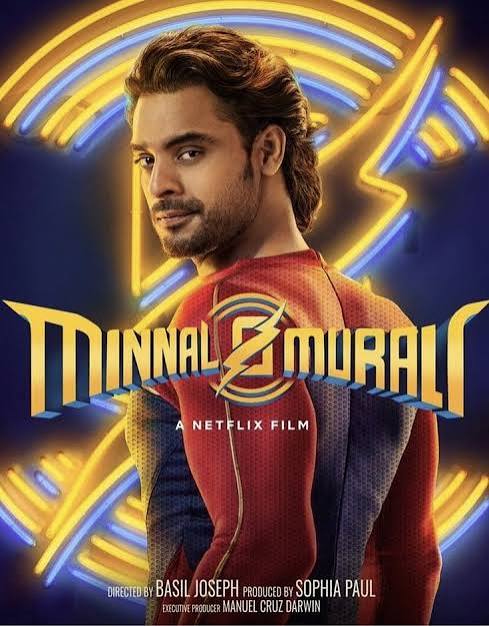
Minnal Murali
Warm, humorous, and grounded with escalating dark undertones — blending Kerala village comedy with superhero spectacle and emotional family drama
Based on a publicly circulated draft of this screenplay sourced online — it may differ from the official shooting script or final film. Shown to demonstrate ProofIntelligence.
When a freak lightning strike gives both a heartbroken small-town tailor and a lonely outcast in rural Kerala superhuman powers, one becomes a reluctant hero while the other descends into villainy, setting them on a collision course that will determine the fate of their village.
Executive Summary
Minnal Murali is a high-concept, commercially viable superhero origin story that fills a genuine gap in Indian cinema — a grounded, character-driven superhero film rooted in Kerala's distinctive cultural landscape. The dual-protagonist structure (hero and villain created by the same lightning strike) provides both narrative sophistication and marketing clarity, while the rich ensemble cast and vivid village setting offer franchise-building potential. At its current 360-page length, the screenplay needs trimming (target: 280 pages) and a formatting pass, but the core story, characters, and emotional beats are strong. With a ₹20-30Cr budget, a bankable Malayalam star, top-tier VFX, and an OTT pre-sale, this project offers an attractive risk-reward profile — a potential franchise launcher with pan-Indian dubbed appeal and strong streaming value.
Why this verdict
Minnal Murali is a genuinely original concept — India's first grounded superhero origin story rooted in Kerala's rural landscape, blending Malayalam cinema's naturalistic storytelling with comic-book mythology. The dual-protagonist structure (Jaison/Shibu) is ambitious and largely effective, with strong emotional anchors in family, identity, and belonging. The screenplay's craft — while occasionally overlong and structurally loose in Act 2 — delivers a commercially viable, emotionally resonant narrative that would attract top-tier talent and significant audience interest across theatrical and OTT platforms.
Score Breakdown
Casting
Tovino Thomas
as ജെയ്സൻ
Tovino has the physical charisma, comic timing, and emotional range this role demands — his work in films like Theevandi and Forensic demonstrates his ability to balance vulnerability with screen presence. His athletic build and expressive face are ideal for the superhero transformation.
Guru Somasundaram
as ഷിബു
Guru Somasundaram's ability to convey menace through stillness and vulnerability through silence — as demonstrated in Aaranya Kaandam and Super Deluxe — makes him ideal for Shibu's complex arc from lonely outcast to tragic villain. His unconventional physicality adds authenticity to the character's marginalized status.
Aishwarya Lekshmi
as ബിജി
Aishwarya Lekshmi has demonstrated both physical capability and emotional depth in films like Varathan and Mayaanadhi. Her screen presence balances toughness with warmth, essential for a karate instructor who is also a romantic lead.
Baiju Santhosh
as സാജൻ
Baiju Santhosh excels at playing authority figures with comic undertones — his imposing physical presence and ability to shift between intimidation and buffoonery make him a natural fit for the bully cop who eventually becomes an unlikely ally.
Harisree Ashokan
as വർക്കി
Harisree Ashokan's warmth and understated emotional depth would bring genuine pathos to Varkki's role as the adoptive father carrying a painful secret. His ability to convey love through restraint rather than melodrama suits the character perfectly.
Master Ishan Shaji
as ജോസ്മോൻ
A fresh child actor with natural comic timing and intelligence would be ideal for Josmon — the role requires a boy who can deliver exposition naturally while maintaining the character's endearing precociousness without becoming annoying.
Aju Varghese
as പോത്തൻ
Aju Varghese's mastery of physical comedy and his ability to play bluster masking insecurity make him perfect for Potthan. His comic timing in films like Ohm Shanthi Oshaana demonstrates the precise blend of aggression and vulnerability the role requires.
Pacing & Rhythm
Overall pace
Uneven — energetic opening and climax bookend a sprawling, occasionally sluggish middle section
The pacing curve reveals a screenplay with strong bookends but a sagging middle. The opening 50 pages build effectively to the lightning strike (pace peak at 80). The middle section (pages 80-200) oscillates between moderate and slow, with the power-discovery montage providing temporary energy before the wedding sequence slows things down again. The screenplay regains momentum with Dasan's murder (page 225) and maintains high energy through the climax. The final 60 pages are consistently high-paced with effective cross-cutting. The primary pacing issue is the 120-page stretch between the lightning strike and the school anniversary attack — this section needs the most trimming.
SLOW · pp. 82–110
Extended sequences of Shibu's backstory flashbacks, Usha's return, and the tea shop scenes slow momentum after the lightning strike
Fix: Consolidate Shibu's flashback sequences and reduce the number of tea shop exposition scenes. The Usha introduction could be more economical.
SLOW · pp. 135–170
The power-discovery montage and Josmon's comic-book exposition, while charming, extend too long with repetitive beats
Fix: Trim the montage to its strongest moments — the glass-stacking, the mango tree, the failed flight. Cut some of Josmon's expository dialogue.
SLOW · pp. 196–230
The wedding sequence and subsequent Shibu-Usha courtship scenes are overextended
Fix: The wedding can be shortened by 30-40%. Focus on the key emotional beats: Jaison-Biji bonding, Shibu-Usha tension, and the Dasan confrontation.
RUSHED · pp. 290–320
The transition from Shibu's house explosion to the church festival climax feels compressed — major plot developments happen very quickly
Fix: Add a brief breathing scene between the explosion and the festival to let the emotional weight of Usha's fate land before launching into the climax.
Conflict Escalation
The conflict escalation follows a well-designed dual-track pattern. Jaison's conflicts escalate from personal humiliation (Sajan's slap, Binsi's rejection) through identity crisis (discovering his true parentage) to heroic responsibility (the bus rescue, the climactic battle). Shibu's conflicts escalate from social rejection through desperate acts (bank robbery, threatening Paili) to murder and mass destruction. The screenplay effectively interweaves these tracks so that each character's escalation raises stakes for the other. The peak tension at page 326 — Shibu's ultimatum forcing Jaison to choose between his father and his village — is the screenplay's strongest dramatic moment, directly echoing Martin's sacrifice in the prologue. The main issue is that the middle section (pages 130-200) has a tension plateau where both characters are discovering powers without significant conflict escalation.
Peak moment · page 350
Jaison, battered and seemingly defeated, catches the massive falling church bell in mid-air using his full superhuman power — proving he has transcended his limitations and become the hero his father envisioned. The village watches in awe as their protector rises.
Protagonist Arc
Jaison's arc follows a classic hero's journey with well-calibrated emotional peaks and valleys. The trajectory moves from self-centered vanity (wanting to escape to America, win back Binsi) through identity crisis (discovering his true parentage) to selfless heroism (choosing the village over his father). The lowest point (-70, lightning strike) and the highest point (+85, catching the bell) are appropriately extreme. The arc's most effective section is the transition from page 218 (Varkki's speech) through page 256 (bus rescue) — this is where Jaison's internal transformation from selfish to selfless becomes externalized through action. The weakness is the relatively flat middle section (pages 120-175) where Jaison's internal state hovers around neutral as he discovers powers without significant emotional growth.
Scene Audit
33 scenes evaluated — tension, pacing contribution, and whether each earns its place.
| Pg | Scene | Purpose | Tension | Verdict |
|---|---|---|---|---|
| 1 | EXT. PALLIKKUNNU CHURCH GROUND - NIGHT ജെയ്സൻ (child) · മാർട്ടിൻ · ഷിബു (child) | Prologue establishing Martin's heroic death and young Jaison's traumaStrong opening — sets up father's legacy and trauma | 65accelerates | essential |
| 5 | INT. DOORDARSHAN STUDIO - DAY ജയദേവൻ · റിപ്പോർട്ടർ | Exposition about the planetary alignment that will cause the lightningNecessary exposition but feels static — consider visual approach | 15decelerates | needs_work |
| 6 | INT/EXT. TV STATION AT JUNCTION - EVG കൊച്ചാപ്പി · വൃദ്ധൻ | Comic relief establishing the village's relationship with modernityCharming but expendable — adds little to plot | 5decelerates | cut_candidate |
| 9 | INT/EXT. TUSHAR TEA SHOP - EVENING ഷിബു · സാജൻ · ഷിനോജ് · പൈലി · ബിൻസി | Introduces Sajan, establishes his obsession with Binsi, sets up Jaison pursuitEfficient multi-character introduction scene | 30maintains | essential |
| 14 | EXT. FERRY/ROAD/JUNCTION - EVG ജെയ്സൻ · ബിൻസി · സാജൻ | Jaison's grand entrance, pursuit of Binsi, public humiliation by SajanDefining character moment — establishes Jaison's world | 50accelerates | essential |
| 20 | INT. JAISON'S HOUSE ജെയ്സൻ | Jaison's frustration — drinking alone, punching wallImportant emotional beat showing Jaison's vulnerability | 35maintains | essential |
| 22 | INT/EXT. SHIBU'S HOUSE - NIGHT ഷിബു · പാച്ചൻ | Establishes Shibu's home life, Pachan's fireworks, Usha's return newsCritical world-building for Shibu's isolation | 20maintains | essential |
| 27 | INT/EXT. SAJAN'S HOUSE - NIGHT ജെയ്സൻ · ബിൻസി · സാജൻ · അനീഷ് | Jaison confronts Binsi about marriage, hides under bed, meets AnishExcellent comic tension — balloon scene is memorable | 55accelerates | essential |
| 36 | INT. SCHOOL - DAY (FLASHBACK) ഷിബു (child) · ഉഷ (child) | Establishes Shibu's childhood love for Usha through flashbackMultiple flashbacks could be consolidated into one | 10decelerates | needs_work |
| 46 | EXT. SAJAN'S HOUSE - NIGHT ജെയ്സൻ · സാജൻ · ബിൻസി · അനീഷ് | Jaison's explosive outburst — declares he'll become rich, challenges everyonePivotal scene — Jaison's declaration before lightning | 65accelerates | essential |
| 50 | VARIOUS - NIGHT ജെയ്സൻ · ഷിബു | Lightning strikes both characters simultaneously — the inciting incidentThe screenplay's defining moment — well-executed | 75accelerates | essential |
| 71 | INT. HOSPITAL ECG ROOM - DAY ജെയ്സൻ · സാംബശിവൻ · വർക്കി | ECG machine explodes — first evidence of Jaison's electrical powersEffective power reveal with good comic payoff | 50accelerates | essential |
| 82 | INT/EXT. TUSHAR TEA SHOP - DAY ഷിബു · ഉഷ · ദാസൻ · പൈലി | Usha returns to the village — Shibu sees her, Paili leers at herImportant character introduction but runs long | 35maintains | essential |
| 103 | INT/EXT. JAISON'S HOUSE - MORNING ജെയ്സൻ · പോത്തൻ · ജെസ്മി | Jaison pushes Potthan into the well with superhuman strengthKey power demonstration with comic consequences | 55accelerates | essential |
| 117 | INT. SHIBU'S HOUSE / JAISON'S HOUSE - DAY ഷിബു · ജെയ്സൻ | Parallel power-discovery montage — both characters test abilitiesEntertaining but overlong — trim by 30% | 30maintains | needs_work |
| 142 | INT/EXT. TUSHAR TEA SHOP - DAY ഷിബു · ഉഷ · പൈലി | Paili harasses Usha — Shibu uses powers to protect her violentlyTurning point — Shibu's first violent use of powers | 65accelerates | essential |
| 151 | INT/EXT. POLICE STATION - EVENING ജെയ്സൻ · സാജൻ · വർക്കി | Sajan reveals Jaison's true parentage — Martin is his real fatherMajor revelation — well-paced emotional devastation | 60accelerates | essential |
| 164 | INT. JAISON'S HOUSE - NIGHT ജെയ്സൻ · വർക്കി | Jaison opens Martin's trunk — discovers Minnal Murali scriptEmotional centerpiece — connects hero to legacy | 40maintains | essential |
| 172 | EXT. SCHOOL GROUND - NIGHT ജെയ്സൻ · സാജൻ · ബിജി · സുധീഷ് | Jaison attacks police as Minnal Murali at school anniversaryMajor set-piece — Jaison's first public appearance as hero | 80accelerates | essential |
| 200 | EXT. WEDDING AUDITORIUM - DAY ജെയ്സൻ · ഷിബു · ബിജി · അനീഷ് · ബിൻസി | Anish-Binsi wedding — Jaison and Biji bond, Shibu watches UshaImportant for romance but overextended — trim by 40% | 25decelerates | needs_work |
| 214 | INT/EXT. STITCHING CENTER - DAY ജെയ്സൻ · ദാസൻ · വർക്കി | Jaison confronts Dasan about stolen money — physical altercationSets up Dasan's vulnerability before murder | 60accelerates | essential |
| 219 | INT. STITCHING CENTER - NIGHT ഷിബു · ദാസൻ | Shibu proposes to Dasan, is rejected, then murders him by arsonThe screenplay's darkest, most powerful scene | 85accelerates | essential |
| 248 | INT/EXT. POLICE STATION - DAY ജെയ്സൻ · ഷിബു · സാജൻ · അനീഷ് | CCTV evidence viewing interrupted by Shibu's attack on stationMajor action set-piece — first direct confrontation | 80accelerates | essential |
| 256 | INT/EXT. BUS/ROAD - DAY ജെയ്സൻ · ഷിബു | Bus rescue — Jaison saves child from falling off cliffScreenplay's best set-piece — earns the hero moment | 85accelerates | essential |
| 275 | INT/EXT. SHIBU'S HOUSE - DAY ജെയ്സൻ · ബിജി · ഷിബു | Jaison and Biji search Shibu's house — nearly caughtExcellent suspense sequence — Hitchcockian tension | 75accelerates | essential |
| 288 | INT/EXT. TEA SHOP/JUNCTION - EVENING ജെയ്സൻ · ഷിബു | Jaison and Shibu's cat-and-mouse conversation — mutual awarenessMasterful tension through subtext and glances | 70maintains | essential |
| 297 | INT/EXT. SHIBU'S HOUSE - NIGHT ഷിബു · ഉഷ | Usha comes to Shibu — their moment of union before the explosionDevastating emotional peak — love and destruction | 80accelerates | essential |
| 307 | EXT. CHURCH FESTIVAL GROUND - NIGHT ഷിബു · ജോസ്മോൻ · ബിജി | Shibu destroys bridge, plants explosives — festival under siegeClimax begins — stakes are maximum | 90accelerates | essential |
| 310 | INT. POLICE STATION - NIGHT ജെയ്സൻ · സാജൻ · പോത്തൻ | Sajan releases Jaison — admits police need a superheroPowerful reversal — antagonist becomes ally | 75accelerates | essential |
| 328 | EXT. CHURCH FESTIVAL GROUND - NIGHT ജെയ്സൻ · ഷിബു · ജോസ്മോൻ · ബിജി | Final battle — multi-front climax with explosives, fights, and rescuesAmbitious climax — could be tightened but effective | 95accelerates | essential |
| 352 | EXT. CHURCH FESTIVAL GROUND - NIGHT ജെയ്സൻ · ഷിബു | Jaison defeats Shibu with the church spear — final confrontationSatisfying resolution using religious imagery | 90accelerates | essential |
| 358 | INT. BIJI'S OFFICE - DAY ജെയ്സൻ · ബിജി | Epilogue — Jaison gets passport but chooses to stay as protectorPerfect thematic resolution — choosing home over escape | 15decelerates | essential |
| 359 | EXT. CARNIVAL - NIGHT ജെയ്സൻ · ആന്റോ | Post-credits tease — Jaison in full costume catches a thiefFun franchise-teasing coda with humor | 30maintains | essential |
Beat Sheet · Save The Cat
The screenplay follows the Save the Cat structure with reasonable fidelity, though the beats arrive significantly later than expected due to the screenplay's excessive length. The Catalyst (lightning strike) doesn't arrive until page 50 — in a standard 120-page screenplay, this would be page 12. The extended setup is both the screenplay's strength (rich world-building) and weakness (delayed momentum). The strongest beats are the Catalyst (lightning strike), All Is Lost (Dasan's murder), and the Final Image (the failed flight gag). The weakest is the Debate section, which stretches too long as both characters slowly discover their powers. The B Story (Jaison-Biji romance) is well-integrated but could be introduced earlier. Overall, the structure is sound but would benefit from compression — hitting these beats 30% earlier would significantly improve pacing.
| Beat | Expected | Actual | Present | Quality |
|---|---|---|---|---|
Opening Image The drama performance cutout of 'Pallikunnile Punyalan' — a superhero-like figure that foreshadows Jaison's destiny. Young Shibu's discarded beedi starts the fire. | p. 1 | p. 1 | 80 | |
Theme Stated Martin tells young Jaison: 'He's not God, but he reaches where God cannot' — the theme of ordinary heroism is stated through the father's words about Minnal Murali, though it comes late in the screenplay via flashback. | p. 5 | p. 165 | 75 | |
Setup Kurukkammula village is established — Jaison the vain tailor, Shibu the lonely outcast, Sajan the bully cop, Binsi the love interest, the tea shop, the ferry. All the pieces of the world are laid out. | p. 10 | p. 6 | 82 | |
Catalyst The Christmas Eve lightning strike hits both Jaison and Shibu simultaneously, granting them superpowers. This is the event that changes everything. | p. 12 | p. 50 | 88 | |
Debate Both characters wake up changed but don't understand what's happened. Jaison experiences strange symptoms (blue veins, heightened senses, super strength). Shibu discovers telekinesis. Both debate what these changes mean. | p. 15 | p. 66 | 70 | |
Break Into Two The power-discovery montage — both Jaison and Shibu actively test and embrace their abilities, entering the 'new world' of superpowers. Josmon introduces the concept of superheroes. | p. 25 | p. 117 | 75 | |
B Story The Jaison-Biji relationship begins to develop — she becomes his ally, confidante, and eventual love interest. Simultaneously, Shibu's pursuit of Usha intensifies. | p. 30 | p. 90 | 72 | |
Fun and Games Extended montage of both characters using their powers — Jaison stacks glasses blindfolded, shakes mangoes from trees, tries to fly (fails). Shibu moves objects, grooms himself telekinetically, intimidates Paili. The 'promise of the premise' is delivered. | p. 35 | p. 117 | 78 | |
Midpoint Jaison discovers Martin's trunk containing the Minnal Murali script — connecting him to his father's heroic legacy. False victory: he now has both powers AND purpose. Meanwhile, Shibu promises to pay for Kukku's surgery — false victory that leads to the bank robbery. | p. 55 | p. 155 | 80 | |
Bad Guys Close In After the school anniversary attack, police hunt for Minnal Murali. Potthan suspects Jaison. Shibu's actions escalate — bank robbery, threatening Paili, stealing Jaison's money. The walls close in on both characters. | p. 65 | p. 178 | 72 | |
All Is Lost Shibu murders Dasan by burning down Jaison's tailoring shop, framing it as Minnal Murali's work. Jaison loses his livelihood, his friend, and becomes the prime suspect in a murder. | p. 75 | p. 224 | 85 | |
Dark Night of the Soul Jaison confesses to Biji that he IS Minnal Murali. He's wracked with guilt over Dasan's death and terrified of being caught. Biji's reaction — and her eventual support — pulls him through. | p. 80 | p. 234 | 75 | |
Break Into Three Jaison finds the torn shirt fragment proving Shibu is his dark counterpart. Armed with this knowledge and Biji's support, he commits to confronting Shibu and protecting the village — synthesizing his Act 1 self-interest with Act 2's heroic awakening. | p. 85 | p. 271 | 78 | |
Finale The church festival climax — Shibu's siege, the multi-front battle (Jaison vs Shibu, Josmon defusing fuses, Biji in the basement), Sajan releasing Jaison, the ultimatum about Varkki, and the final defeat of Shibu. Jaison chooses the village over his father, catches the bell, and becomes the true Minnal Murali. | p. 90 | p. 307 | 82 | |
Final Image Jaison in full Minnal Murali costume catches a thief at a carnival, then tries to fly and fails — landing with a crash. He's a hero, but still human. Mirror of the opening image: the superhero cutout has become a real person. | p. 100 | p. 359 | 85 |
What's Working
Genuinely Original Concept
A grounded superhero origin story set in rural Kerala is unprecedented in Indian cinema. The screenplay takes the globally proven superhero formula and roots it in specific, authentic Malayalam village life — complete with tea shops, tailoring shops, church festivals, and ferry boats. This fusion of the universal and the local is the script's greatest asset.
Compelling Dual-Protagonist Structure
The parallel journeys of Jaison and Shibu — both struck by the same lightning, both gaining powers, but diverging into hero and villain based on their emotional wounds — is structurally elegant and thematically rich. It echoes the best superhero narratives (hero and villain as mirrors) while grounding it in specific Indian social dynamics of caste, class, and belonging.
Rich, Lived-In World-Building
Kurukkammula is one of the most vividly realized settings in recent Malayalam screenwriting. The village feels populated by real people with real relationships, grudges, and histories. The tea shop, the tailoring shop, the ferry crossing, the church festival — each location is a character in itself. This world-building makes the superhero elements feel earned rather than imposed.
Strong Emotional Core
Beneath the superhero spectacle, this is fundamentally a story about fathers and sons, belonging and identity. Jaison's discovery of his father Martin's legacy, Varkki's confession, and the climactic choice between saving his father or his village — these emotional beats elevate the material beyond genre entertainment into genuine drama.
High OTT and Franchise Value
The screenplay is tailor-made for the OTT era — a high-concept, visually ambitious regional film with pan-Indian appeal. The superhero framework naturally supports sequels and expanded universe possibilities. The Christmas setting adds seasonal rewatchability. This is the kind of property that streaming platforms would compete to acquire.
What to Fix
Excessive Length and Pacing Issues
At 360 pages, this screenplay is significantly overlong. The second act in particular suffers from repetitive scenes (multiple tea shop conversations, extended montages, redundant investigation scenes). The power-discovery sequence, while charming, could be cut by 30%. The wedding sequence runs too long. A tighter 280-page version would be significantly more effective.
Craft and Formatting Inconsistencies
The screenplay exhibits inconsistent formatting — scene numbers are irregular, character introductions vary in style, and there are numerous instances of unclear action lines and stage directions. Some scenes lack clear slug lines. The prose style oscillates between professional screenplay format and more novelistic description. This would need a significant formatting pass before production.
Shibu's Third-Act Motivation Becomes One-Note
While Shibu's descent into villainy is well-motivated through Act Two, his final-act rampage — destroying the entire village because Usha died — feels disproportionate and reduces a complex character to a standard 'destroy everything' villain. The screenplay could benefit from a more nuanced final confrontation where Shibu's pain remains visible even in his destructive acts.
Usha's Limited Agency
Despite being the emotional catalyst for Shibu's entire arc, Usha has remarkably little agency in the narrative. She is acted upon — harassed by Paili, pressured by Dasan, courted by Shibu, threatened by Keshavan — but rarely makes active choices that drive the plot. Giving her more decisive moments would strengthen both her character and Shibu's arc.
VFX Budget Risk
The screenplay's success is heavily dependent on convincing visual effects for superpowers, explosions, the bus rescue, and the climactic battle. In the Malayalam industry's typical budget range, achieving Hollywood-quality VFX is challenging. Unconvincing effects would undermine the entire premise and turn dramatic moments into unintentional comedy.
Rewrite priorities
Cut the power-discovery montage by 30%, reduce the wedding sequence by half, consolidate tea shop scenes, and trim Shinoji's investigation comedy. Target 280 pages.
Issue: The screenplay at 360 pages is 80-100 pages too long, primarily in Act Two, causing momentum loss
Give Usha at least 2-3 scenes where she makes active choices that affect the plot — perhaps she confronts Keshavan directly, or she makes a decisive choice about Shibu that isn't dictated by Dasan
Issue: Usha lacks agency despite being the emotional catalyst for the antagonist's entire arc
Maintain Shibu's emotional vulnerability even in the climax — perhaps he hesitates when he sees children, or he has a moment of clarity before the final battle. His pain should remain visible, not just his rage.
Issue: Shibu's third-act motivation narrows to generic 'destroy everything' villainy, losing the complexity established earlier
Conduct a thorough formatting pass to standardize scene headings, tighten action descriptions, and ensure professional screenplay conventions throughout
Issue: Inconsistent screenplay formatting — irregular scene numbers, unclear slug lines, novelistic prose in action lines
Integrate exposition more organically — show Jaison discovering his powers through trial and error rather than having Josmon explain superhero mythology. Reduce Shinoji's theories to one or two key comic moments.
Issue: Josmon's comic-book exposition and Shinoji's investigation theories are occasionally heavy-handed information dumps
Biggest improvement lever
Reducing the screenplay from 360 to approximately 280 pages by trimming Act Two's repetitive scenes — consolidating the power-discovery montages, shortening the wedding sequence, streamlining the investigation subplot, and cutting redundant tea shop/village conversations. This single change would dramatically improve pacing, tighten the narrative momentum, and make the emotional beats land harder by reducing the distance between them.
Emotional Rhythm
The emotional rhythm demonstrates impressive range, cycling through comedy, romance, horror, and heroic triumph. The screenplay's strongest emotional sequences are: (1) Jaison crying in the bathroom while reading Binsi's wedding card — raw vulnerability masked by bravado; (2) Shibu's confession to Dasan about Usha — desperate love turned to violence; (3) The bus rescue — earned heroic catharsis; (4) Varkki's speech about Martin — quiet, devastating pathos. The emotional valleys (Dasan's murder at -70, Usha's apparent death at -80) are deep enough to make the peaks (bus rescue at +75, bell-catching at +85) feel genuinely earned. The screenplay could improve its emotional rhythm by reducing the relatively flat middle section (pages 130-200) where the tone stays consistently light/comedic during the power-discovery montages.
Act Structure
Act One
pp. 1–65The screenplay opens with a prologue establishing young Jaison's traumatic past — his father Martin, a drama troupe leader, died in a fireworks explosion during a stage performance. In the present, Jaison is a 26-year-old tailor in the village of Kurukkammula, dreaming of going to America. Shibu is a lonely, unkempt outcast working at a tea shop, secretly in love with Usha. On Christmas Eve, a rare planetary alignment causes a lightning bolt that splits and strikes both Jaison and Shibu simultaneously, giving them superhuman abilities.
Key turning point
The lightning strike on Christmas Eve that simultaneously hits Jaison and Shibu, granting them both superpowers and setting up the dual-protagonist structure
Act One effectively establishes the world of Kurukkammula with rich characterization and humor. The setup of both protagonists' emotional wounds — Jaison's heartbreak over Binsi and his identity crisis, Shibu's obsessive love for Usha — is well-handled. The Christmas Eve lightning strike is a strong inciting incident. However, the act runs long at ~65 pages, with some scenes (the carol sequence, hospital scenes) that could be tightened.
Act Two
pp. 66–240Both Jaison and Shibu discover their powers through parallel montages. Jaison learns he has super-speed, strength, and heightened senses; Shibu discovers telekinetic abilities. Jaison, guided by his nephew Josmon's comic book knowledge, begins to understand he's become a 'superhero.' Shibu uses his powers for darker purposes — robbing a bank to fund Usha's daughter's surgery, threatening Paili who harassed Usha, and ultimately murdering Dasan (who refused to let him marry Usha) by burning down Jaison's tailoring shop. Jaison adopts the 'Minnal Murali' identity from his father's unproduced play, attacks the police at the school anniversary, and later saves a bus full of passengers. Meanwhile, Potthan (Jaison's brother-in-law) suspects Jaison is Minnal Murali. The act culminates with Jaison discovering Shibu is his dark counterpart through CCTV evidence and a cloth fragment.
Key turning point
Shibu murders Dasan by trapping him in the burning tailoring shop and frames it as Minnal Murali's work, forcing Jaison to confront that his 'duplicate' is a killer
Act Two is the screenplay's most ambitious but also most problematic section. The parallel power-discovery montages are inventive and entertaining. The tonal shifts between comedy (Potthan's slapstick, Josmon's comic-book exposition) and darkness (Shibu's descent, Dasan's murder) are bold but occasionally jarring. At roughly 175 pages, this act is significantly overlong. The Shibu-Usha romance subplot, while emotionally grounded, could be streamlined. The investigation subplot with Shinoji's absurd theories provides comic relief but slows momentum. The bus rescue sequence is a standout set-piece that earns genuine emotion.
Act Three
pp. 241–360After Usha's apparent death in the explosion at Shibu's house, Shibu descends into full villainy, targeting the entire village during the church festival. He destroys the bridge trapping everyone on the island, plants explosives throughout the grounds, and threatens mass destruction. Jaison is initially imprisoned but Sajan releases him, acknowledging that only Minnal Murali can stop Shibu. The climax unfolds across multiple fronts: Jaison fights Shibu, Josmon races to defuse fuses, and Biji works to stop explosives in the church basement. Jaison faces his ultimate test when Shibu reveals Varkki is drowning in the river — forcing him to choose between saving his father or the village. Jaison chooses the village, defeats Shibu, then dives to rescue Varkki. The epilogue shows Jaison choosing to stay in Kurukkammula as its protector rather than emigrating to America.
Key turning point
Sajan releases Jaison from the cell, admitting the police cannot handle Shibu — the moment the establishment acknowledges the need for a superhero
Act Three delivers a satisfying, emotionally charged climax with genuine stakes. The multi-front action (Jaison vs Shibu, Josmon defusing fuses, Biji in the basement) creates effective cross-cutting tension. Shibu's ultimatum — save your father or save the village — is the screenplay's strongest dramatic choice, directly echoing Martin's sacrifice. The resolution is earned: Jaison's choice to stay mirrors his father's selflessness. However, the climax runs very long and some action beats feel repetitive. The Shibu character's motivation, while sympathetic, becomes somewhat one-note in the final stretch.
Midpoint · page 155
Shibu promises to pay for Kukku's surgery at the hospital, establishing his willingness to do anything for Usha — while simultaneously, Jaison discovers his father Martin's trunk containing the 'Minnal Murali' script, connecting him to his heroic legacy
The midpoint effectively shifts both protagonists' trajectories. For Jaison, discovering his father's legacy transforms his self-image from aimless dreamer to potential hero. For Shibu, his desperate promise to Usha sets him on the path toward the bank robbery and eventual murder. The stakes escalate from personal (heartbreak, loneliness) to existential (identity, morality). This is a well-constructed false victory/false defeat midpoint that propels both characters into their respective second-half arcs.
Character Analysis
Protagonist · arc 82/100
ജെയ്സൻ
want
To escape Kurukkammula, go to America, and prove himself worthy — initially to win back Binsi, later to honor his father's legacy
need
To accept his roots, embrace selflessness over self-interest, and become the protector his father was
flaw
Self-centered, prideful, and obsessed with external validation — he measures his worth by others' approval and material success
Jaison is a well-constructed protagonist whose arc from selfish dreamer to selfless hero is emotionally satisfying. His vanity and insecurity are established through specific, memorable details (the mirror-checking, the fashion obsession, the American visa fixation). The discovery of his father's trunk and the Minnal Murali script provides a powerful emotional anchor. His relationship with Josmon adds warmth and humor. The weakness is that his middle-act journey feels somewhat passive — things happen to him rather than him driving the plot until the bus rescue.
Antagonist · threat 88/100
ഷിബു
Shibu is the screenplay's most complex and compelling character — a tragic villain whose descent is rooted in genuine emotional pain. His obsessive love for Usha, born from childhood kindness when no one else cared for him, makes his violence understandable if not justifiable. The screenplay wisely establishes his isolation, his mother's mental illness stigma, and the village's cruelty toward him before giving him powers. His telekinetic abilities mirror his emotional state — things around him literally shake when he's upset. The murder of Dasan is the point of no return, handled with chilling calm. His final rampage at the church festival, while dramatically effective, risks making him too one-dimensionally destructive in the climax.
Supporting cast
35 characters · 22 distinct voicesThe supporting cast is one of the screenplay's greatest strengths. Kurukkammula feels like a living, breathing village populated by distinct, memorable characters. From Pachan's eccentric fireworks-making in his underwear to Kochappi's bewildered commentary, from Selvan's gossip to the Karol singing boys — each character has a specific voice and function. The screenplay excels at using its ensemble to create a sense of community that makes the climactic threat to the village genuinely affecting. The sheer number of named characters (35+) is ambitious for a feature film and occasionally leads to crowded scenes, but the writing generally keeps them distinct.
Character Presence
Screen presence by act; total scene count on the right.
Dialogue
Subtext
Voice
Density: High — dialogue-heavy screenplay with extensive conversational scenes, particularly in the village/tea shop settings
The dialogue operates effectively within Malayalam cinema's naturalistic tradition. Village conversations feel authentic — the tea shop banter, the police station exchanges, the family arguments all ring true to the milieu. Sajan's bullying dialogue, Potthan's bluster, and Josmon's precocious explanations each have distinct rhythmic patterns. Shibu's dialogue is notably sparse and measured, contrasting with Jaison's more expressive speech — a smart character choice. The screenplay's best dialogue moments are its quietest: Varkki's speech about Martin, Shibu's confession to Dasan about Usha, and Martin's explanation of Minnal Murali to young Jaison. The weakness is occasional over-exposition, particularly in Josmon's comic-book explanations and Shinoji's investigation theories, which can feel like information dumps rather than organic conversation.
The dialogue-action balance shifts appropriately across the three acts. Act One is dialogue-heavy as it establishes characters and relationships through conversation — appropriate for the setup. Act Two balances dialogue with increasing action as powers are discovered and conflicts escalate. Act Three tips decisively toward action with the climactic battle sequences, though it maintains important dialogue moments (Shibu's ultimatum, Sajan's release of Jaison). The overall 50/30/20 split is slightly dialogue-heavy for a superhero film — trimming some of the repetitive village conversations in Act Two would improve the balance.
Notable lines
“ദൈവമല്ല മോനെ.. പക്ഷെ ദൈവത്തിനു എത്താൻ കഴിയാത്തിടത്ത് അവൻ എത്തും”
മാർട്ടിൻ · page 314
Defines the entire film's thesis — the superhero as a secular saint. Simple, profound, and emotionally devastating in context.
“ഈ ജെയ്സൻ ചാവണം”
ജെയ്സൻ · page 50
Brilliant dramatic irony — spoken in despair just before the lightning strike, it becomes both a death and a rebirth. The line that launches the entire superhero mythology.
“എനിക്കിനി എന്റെ പെണ്ണിന്റെയൊപ്പം ജീവിച്ചുതുടങ്ങണം”
ഷിബു · page 224
Chilling in its calm delivery — Shibu announces murder as a domestic aspiration. The contrast between the gentle words and the horrific act is the screenplay's most disturbing moment.
“ജീവിതം ഒന്നേ ഉള്ളൂ.. തെറ്റുപറ്റാതെ നോക്കണം.. വലിയ ശരികൾ ചെയ്യാൻ പറ്റണം”
വർക്കി · page 218
Varkki's quiet wisdom — delivered without melodrama, this speech is the moral compass of the entire film. It directly catalyzes Jaison's transformation.
“ഇത് ഞങ്ങൾക്ക് കഴിവില്ലാത്തത് കൊണ്ടല്ലാ.. ഞങ്ങളെക്കൊണ്ട് പറ്റാത്തോണ്ടാ”
സാജൻ · page 310
Sajan's moment of humility — the bully cop admitting he needs help. This line earns the entire character arc and is the screenplay's most satisfying reversal.
Lines to fix
“മാറാലഹ് ഇറാഖിനടുത്തുള്ള ഒരു സ്ഥലമാണ് സാർ”
ഷിനോജ് · page 211
While intentionally absurd for comedy, Shinoji's terrorist theory runs too long and risks feeling like padding. Trim to one or two punchlines rather than an extended bit.
“ചിലപ്പോ ക്രിക്കറ്റ് കളിച്ചോണ്ടിരുന്നപ്പൊ കൂട്ടുകാര് വല്ലോം ബാറ്റിനു പുള്ളീടെ തലക്കടിച്ചു കാണും”
ജോസ്മോൻ · page 134
Josmon's comic-book exposition, while charming, occasionally becomes too expository. This particular joke about how a hero got his name feels forced. Let the audience discover superhero parallels organically.
“എനിക്ക് പ്രീ ഡിഗ്രീ ഉണ്ട്”
ജെയ്സൻ · page 31
Jaison's argument that his pre-degree makes him superior to Anish is funny but the scene runs too long with back-and-forth that repeats the same emotional beat. Tighten the exchange.
“വീട്ടിലോട്ട് വരുന്നോ.. വെറുതെയൊന്നും വേണ്ട.. നല്ല കാശ് തരാം”
പൈലി · page 143
Paili's harassment of Usha is dramatically necessary but the dialogue is somewhat on-the-nose. A more subtle approach — implication rather than explicit proposition — would be more unsettling and effective.
Market & Audience
This screenplay occupies a unique market position as India's first genuinely grounded superhero origin story in Malayalam. The concept has inherent commercial appeal — superhero films are the world's most bankable genre, and localizing this formula in Kerala's distinctive landscape is a fresh proposition. The dual-timeline structure, ensemble cast, and action sequences demand a mid-to-high budget, but the potential returns are significant. The film would work as a theatrical release in Kerala with strong dubbed potential in Tamil, Telugu, and Hindi markets. Its OTT value is exceptionally high — Netflix or Amazon would see this as a flagship regional acquisition. The Christmas setting adds rewatchability. Key risk: VFX quality must be convincing for the superpowers to land; poor VFX would undermine the entire premise.
Audience
Mass/family audience with crossover appeal to superhero fans and Malayalam cinema enthusiasts aged 15-45
Budget band
Mid-to-High (₹15-30Cr) — requires significant VFX for superpowers, large ensemble cast, period-adjacent production design, and multiple action set-pieces
Trend
Riding the global superhero wave while tapping into the growing appetite for rooted, regional Indian content on OTT platforms — a sweet spot between Marvel-style spectacle and Malayalam cinema's character-driven storytelling
Platforms
Theatrical (Kerala + pan-India dubbed) · Netflix/Amazon Prime (OTT premiere or post-theatrical) · Disney+ Hotstar
Minnal Murali's primary audience is the OTT/streaming demographic — viewers who consume content across languages and genres, who appreciate both spectacle and substance. The superhero concept gives it immediate youth appeal (18-25), while the grounded Kerala setting and family dynamics attract the mass/commercial audience. The film's length and tonal shifts (comedy to dark violence) may limit pure family appeal — the Dasan murder sequence is genuinely disturbing. Critics/festival appeal is moderate — the concept is original but the execution is more commercial than arthouse. The ideal release strategy is a theatrical run in Kerala followed by a pan-Indian OTT premiere, maximizing both the communal theatrical experience (action sequences, crowd moments) and the streaming audience's appetite for high-concept regional content.
Risks · Moderate
- • VFX-dependent storytelling requires significant budget and technical execution — poor VFX would be fatal
- • 360-page screenplay translates to a potentially 150+ minute runtime that may test audience patience
- • Superhero genre has limited precedent in Malayalam cinema — audience acceptance is unproven
- • Dual-protagonist structure may confuse marketing — is this Jaison's story or Shibu's?
- • The tonal shift from comedy to dark violence (Dasan's murder) may alienate family audiences
Mitigations
- • Cast a bankable Malayalam star as Jaison to anchor marketing and guarantee opening weekend
- • Invest in top-tier Indian VFX houses (DNEG, Redefine) to ensure visual credibility
- • Trim the screenplay to 130-140 minutes to maintain pacing
- • Market as a 'superhero film from Kerala' — the novelty factor is itself a selling point
- • Secure OTT deal pre-production to de-risk theatrical performance
Investment Case
Franchise Potential
franchise ready- The Minnal Murali superhero identity — costume, powers, rogues gallery potential
- Kurukkammula as a recurring setting with its rich ensemble cast
- Shibu's fate is ambiguous enough to allow return as a recurring villain or anti-hero
- The lightning/planetary alignment mythology could introduce other powered individuals
- Josmon as a growing sidekick character across sequels
- Biji as a potential powered character in future installments
The screenplay is explicitly designed as a franchise launcher. The superhero framework naturally supports sequels — new villains, power evolution, expanded mythology. The rich ensemble cast of Kurukkammula provides a ready-made supporting universe. Shibu's ambiguous fate (he's struck down but not definitively killed) leaves the door open for his return. The planetary alignment mythology could introduce other powered characters. The father-son legacy theme could deepen across sequels as Jaison learns more about Martin. The main franchise risk is that the origin story is so complete and satisfying that sequels might feel redundant — the 'where do we go from here' challenge that plagues many superhero franchises.
International Viability
The screenplay's international viability rests primarily on its OTT potential rather than theatrical export. The superhero genre provides a universal entry point, but the film's greatest strength — its deep rootedness in Kerala culture — is also its international limitation. The story's emotional core (father-son legacy, hero vs. villain as mirrors) is universally resonant, but the pacing and cultural specificity would need strong subtitling and marketing to reach beyond South Asian audiences. On a global streaming platform, this could find the same audience that embraced RRR and Baahubali — viewers hungry for spectacle with cultural specificity. The key is positioning it as 'India's answer to the superhero genre' rather than a regional film.
Strong markets: India (pan-Indian dubbed release), South Asian diaspora markets (Middle East, UK, US, Malaysia, Singapore), Southeast Asia (superhero genre appeal), South Korea and Japan (growing appetite for Indian content), Netflix/Amazon global platform (curated international audience)
Cultural barriers: Deep rootedness in Kerala village culture, church festivals, and social dynamics that may not translate easily; Malayalam dialogue and humor rely on regional specificity; The 1990s Kerala setting may feel unfamiliar to international audiences; Indian superhero aesthetics may face comparison bias against Hollywood VFX standards; The lengthy runtime and deliberate pacing may not suit international action-film expectations
Investment Readiness
moderate riskReady for packagingThe screenplay is ready for packaging with some caveats. The concept is commercially proven (superhero genre) yet fresh (Kerala setting), making it attractive to both theatrical distributors and OTT platforms. The script needs a formatting and length pass before going to production — trimming 60-80 pages would make it more shootable and budgetable. The primary investment risk is the VFX budget: this film cannot be made cheaply and look good. A ₹20-30Cr budget with a strong OTT pre-sale would be the ideal financial structure. The franchise potential adds long-term value to the investment. With the right star attachment and VFX commitment, this is a strong investment proposition for a production house looking to establish a superhero IP in Indian cinema.
Attachment suggestions
- • A bankable Malayalam star (Tovino Thomas-type) as Jaison — the role demands physicality, comedy, and emotional range
- • A strong character actor as Shibu — needs to convey menace and vulnerability simultaneously
- • A director with both commercial sensibility and visual ambition — someone who can handle VFX-heavy sequences while maintaining emotional authenticity
- • A top-tier Indian VFX supervisor to ensure the superpowers look convincing
- • An OTT platform pre-sale (Netflix or Amazon) to de-risk the production budget
- • A music director who can blend Western superhero scoring with Kerala folk elements
Comparable Films
Krrish (2006)
India's most successful superhero franchise — shares the origin story structure, father-son legacy theme, and rural-to-heroic transformation arc
Unbreakable (2000)
Grounded, realistic superhero origin with a dual protagonist/antagonist who gain powers from the same event — mirrors the Jaison/Shibu parallel structure
Super Deluxe (2019)
South Indian film that blends multiple tonal registers — comedy, drama, fantasy, social commentary — with audacious genre-bending storytelling
Angamaly Diaries (2017)
Malayalam cinema's vivid rural/small-town world-building, ensemble cast dynamics, and grounded action sequences set in a specific Kerala locale
Spider-Man (2002)
Classic superhero origin — ordinary young man gains powers, faces personal loss, learns that with great power comes great responsibility
Cinema DNA
The directorial sensibilities this script most resembles, weighted by influence.
✦Your Cinema DNA
The screenplay's blend of grounded Kerala village comedy with high-concept genre filmmaking, its affection for small-town characters, and its ability to balance humor with genuine emotion directly reflects Basil Joseph's directorial sensibility as seen in his subsequent work.
The ambitious scale of the superhero action sequences, the mythological undertones (hero as divine protector), the father-son legacy theme, and the unapologetic embrace of mass entertainment within a culturally specific framework echo Rajamouli's approach to Indian blockbuster filmmaking.
The grounded, realistic approach to superhero mythology — ordinary people discovering extraordinary abilities in mundane settings, the dual hero-villain origin from a single event, and the slow-burn revelation structure — directly parallels Shyamalan's Unbreakable trilogy.
The verdict, in full
Minnal Murali is an ambitious and largely successful attempt to create India's first grounded superhero origin story, set in the vividly realized village of Kurukkammula in 1990s Kerala. The screenplay follows two parallel journeys: Jaison, a vain small-town tailor dreaming of America, and Shibu, a lonely outcast obsessed with his childhood love Usha — both struck by the same Christmas Eve lightning bolt and granted superhuman abilities. While Jaison slowly discovers his heroic potential through his father Martin's legacy as a drama troupe leader who died saving others, Shibu's powers fuel an increasingly dark descent driven by desperate love and social rejection. The dual-protagonist structure is the screenplay's greatest structural achievement, creating a compelling hero-villain mirror that grounds comic-book mythology in authentic Kerala social dynamics. The supporting cast — particularly Biji the karate-instructor love interest, Josmon the comic-book-reading nephew, and Potthan the bumbling brother-in-law — enriches the world with humor and warmth. The screenplay's primary weakness is its excessive length (360 pages), with a sprawling second act that would benefit from significant trimming to maintain the emotional momentum that the strong opening and climax deserve.
Your screenplay deserves this.
Every section you just read — scores, cast, pacing curves, scene-by-scene audit, market read, and a producer-ready verdict — generated for your script in minutes.
Registered with tamper-proof timestamps · Yours alone
Analysis of a publicly available draft of this screenplay sourced online. It may differ from the official shooting script or final film. Shown to demonstrate ProofIntelligence — not an official or licensed screenplay.